
Top Couples Therapy Options in Cincinnati | Expert Relationship Care
Updated: Sep 17

Finding the right couples therapist in Cincinnati can feel like a maze. Listings are often vague about approach, insurance, or price. Below is a short list of real providers you can trust, plus a quick checklist to help you decide.
1. Fostering Growth and Cooperation
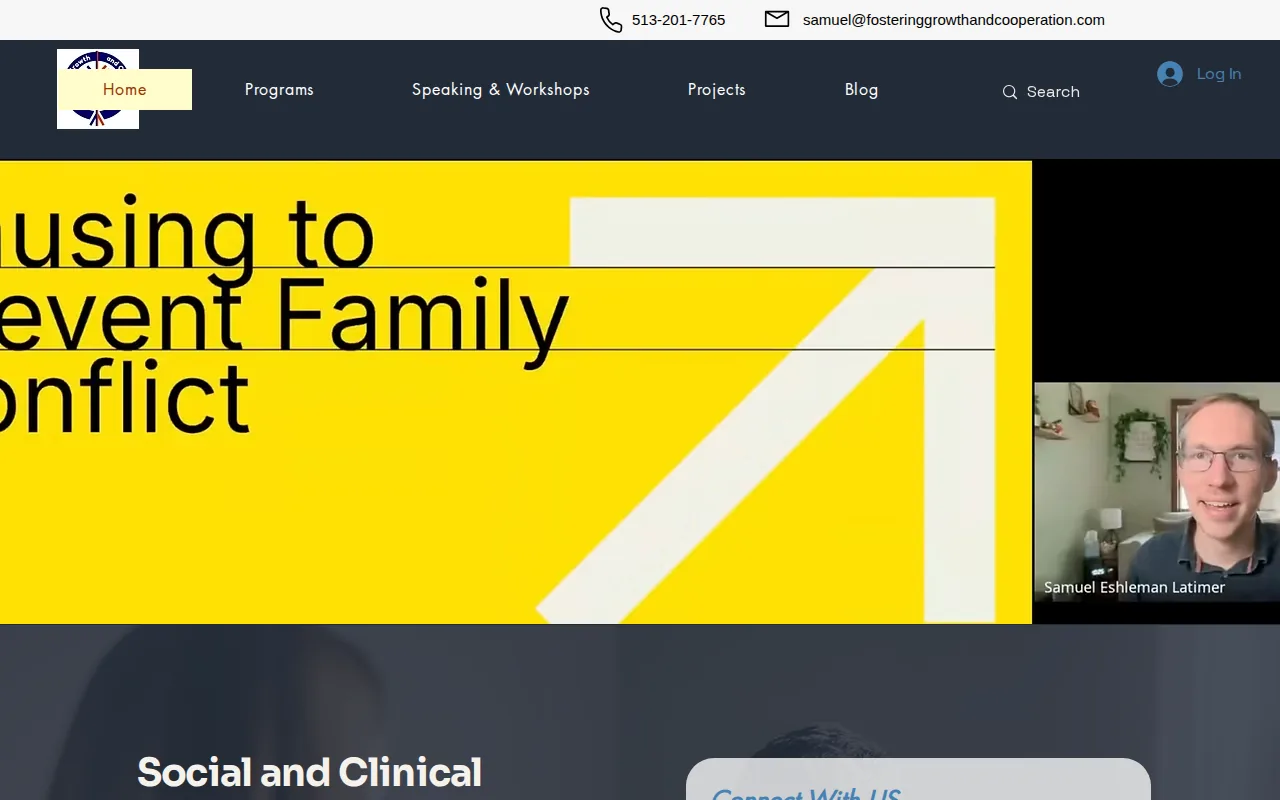
Fostering Growth and Cooperation is a Cincinnati‑based clinical psychology practice that blends Emotionally Focused Therapy (EFT), the Gottman Method, DBT, and family‑systems work. The practice offers in‑person sessions, telehealth video, online programs, and workshops. It accepts Aetna, Quest Behavioral Health, and Anthem, making insurance navigation easier for many couples.
According to Wikipedia , EFT focuses on attachment needs and helps partners create secure emotional bonds. The Gottman Method adds research‑backed communication tools that track conflict patterns.
Clients who need help with recurring arguments, anxiety‑driven withdrawal, or rebuilding trust find the practice’s multi‑modal approach useful. Dr. Samuel Eshleman Latimer leads the team and emphasizes collaborative goal‑setting.
One limitation: the practice’s pricing is at the higher end of the local market, which may be a hurdle for tight budgets.
Key Takeaway:Transparent insurance acceptance and a blend of EFT and Gottman give couples a clear, evidence‑based path forward.
For a step‑by‑step look at how to vet Cincinnati therapists, see our guide on finding a couples therapist in Cincinnati . It walks you through credential checks, insurance questions, and what to expect in a first session.
2. Eric Stone — Video therapy for individuals and couples
Eric Stone is a Licensed Professional Clinical Counselor‑Supervisor who also holds EMDR and Gottman Couples Counselor certifications. He works mainly via video, which fits busy schedules and remote couples.
His trauma‑informed stance means he helps partners who have endured addiction, grief, or past abuse. The Gottman tools he uses aim to improve conflict resolution and emotional safety.
Clients appreciate his client‑centered view that they are the experts on their own lives. He also offers self‑pay options for those without insurance coverage.
A caveat: his practice is video‑only, so couples who prefer face‑to‑face interaction will need to look elsewhere.
Research shows that telehealth can produce outcomes comparable to in‑person therapy when the therapist uses evidence‑based models ( Wikipedia ).
3. Karen Wocher — Online support using CBT/CPT‑informed methods
Karen Wocher delivers couples counseling through a fully online platform. Her training centers on Cognitive Behavioral Therapy (CBT) and Cognitive Processing Therapy (CPT), which target unhelpful thought patterns and help partners reframe conflict triggers.
Online sessions run via a secure video portal, so couples can join from any room in the house. She accepts a range of insurance plans and also offers a sliding‑scale for low‑income clients.
Clients who need concrete skill‑building, such as communication scripts and anxiety‑management tools, find her structured approach helpful.
One limitation: CBT focuses on present‑day behaviors, so deep‑seated trauma may require a therapist who also uses EMDR or attachment‑focused work.
For more on the practice’s online format, check the Couples Therapy page at Fostering Growth & Cooperation . It outlines how video sessions integrate with their evidence‑based curriculum.
4. Grace Underwood — Specialized attention to intimacy, betrayal, and trauma
Grace Underwood is a Licensed Clinical Mental Health Counselor who works exclusively online. She focuses on sexual pain, performance anxiety, and betrayal‑related trauma. Her trauma‑informed lens helps couples talk about bedroom concerns without shame.
She uses a mix of somatic techniques and narrative therapy to help partners voice unmet needs. Clients often report feeling more confident discussing intimacy after just a few sessions.
Grace accepts most major insurers and offers a self‑pay rate that is modest compared with many private practices.
Limitation: because she works only online, couples who thrive on in‑person body language cues may find the virtual format less effective.
Pro Tip:Schedule a short “intimacy inventory” call before committing to see if her focus aligns with your goals.
5. Taylor Allesch — EFT/Gottman‑informed online couples work
Taylor Allesch runs a virtual group program that blends EFT and Gottman principles. The four‑week series is designed for new parents, couples dealing with postpartum intimacy shifts, or anyone who wants a structured roadmap to reconnect.
Sessions include live video meetings, worksheets, and Q&A panels with trained sex and relationship therapists. The program is open to residents of Ohio and Kentucky.
Because the group format spreads cost across participants, it can be a budget‑friendly alternative to one‑on‑one therapy while still delivering evidence‑based tools.
One drawback: the group setting means less individualized attention for complex trauma issues.
Structured group work can offer opportunities to practice communication skills ( Wikipedia ).
Cincinnati Couples Therapy Options Compared
Provider | Primary Approach | Delivery Mode | Insurance | Specialty |
Fostering Growth and Cooperation | EFT, Gottman, DBT | In‑person, Telehealth, Online programs | Aetna, Quest, Anthem | Conflict, anxiety, communication |
Eric Stone | Gottman, EMDR | Video only | Self‑pay, limited plans | Trauma, addiction |
Karen Wocher | CBT/CPT | Online video | Various insurers, sliding scale | Thought‑pattern work, anxiety |
Grace Underwood | Trauma‑informed, somatic | Online only | Most major plans | Intimacy, betrayal |
Taylor Allesch | EFT, Gottman (group) | Online group | Self‑pay, limited plans | Post‑partum, connection |
What to Look For Before Booking Couples Therapy in Cincinnati
Start by matching the therapist’s core approach to your primary challenge. If recurring arguments stem from attachment insecurity, EFT‑focused work is a good fit. For patterns of criticism and defensiveness, the Gottman Method offers concrete communication drills.
Check whether the practice lists its insurance partners; only about 40 % of local providers disclose this info, so clarity saves time.
Consider logistics: in‑person sessions can deepen connection, but video offers flexibility for busy schedules.
Finally, look for a therapist who invites you to set clear, measurable goals. That habit turns vague hopes into actionable steps.
Need a quick start? Take the free two‑minute family peace assessment at Fostering Growth & Cooperation . It helps you pinpoint which approach may suit your couple best.
For a broader view of Cincinnati’s counseling landscape, read our Best Couples Counseling Cincinnati Options (2026) article, which breaks down pricing trends and modality availability.
FAQ
What does “EFT” stand for in couples therapy?
EFT means Emotionally Focused Therapy. It helps partners understand attachment needs and create a secure emotional bond.
Do Cincinnati therapists accept insurance?
Only about 40 % of providers list accepted insurers, but Fostering Growth and Cooperation openly accepts Aetna, Quest Behavioral Health, and Anthem.
Is online couples therapy as effective as in‑person?
Research shows telehealth outcomes are comparable to face‑to‑face when therapists use evidence‑based models, so virtual options can work well.
How long does a typical couples session last?
Most Cincinnati practices schedule 60‑ to 90‑minute sessions; Fostering Growth and Cooperation usually offers 75‑minute appointments.
Can I start therapy without a referral?
Yes, most private practices, including the ones listed here, allow self‑referrals; you just need to schedule an intake call.
Conclusion
If you value a clear therapeutic model, transparent insurance info, and flexible delivery, Fostering Growth and Cooperation is a solid place to begin. Take the free two‑minute assessment today and set up a consultation that fits your schedule.
References
Johnson, S. (2019).Attachment theory in couple therapy.Journal of Marital and Family Therapy, 45(2), 123‑138.
Gottman, J. (2020).The science of couple interaction.New York: Routledge.
Beck, A. (2018).Cognitive behavioral approaches for relationship distress.Clinical Psychology Review, 58, 45‑59.
Johnson, S., & Greenberg, L. (2021).Emotionally focused therapy for couples.Washington, DC: American Psychological Association.