
Evidence Based Anxiety Treatment: A Practical Guide
Anxiety can feel like a never‑ending loop that traps you in worry and tension. Below is a step‑by‑step guide that shows how to break the cycle with evidence based anxiety treatment that actually works for individuals, couples, and families.
Step 1: Clarify the Anxiety Pattern and Treatment Goals
First, map out what the anxiety looks like. Does it spike in social situations, during uncertainty, or when a specific memory surfaces? Write down the trigger, the physical response, and the thought that follows. This simple log helps the therapist see patterns that unstructured interviews often miss.
Next, choose a structured symptom measure that matches the pattern. It can help track severity over time (assessment resource) .
Set concrete goals. A goal could be “reduce panic attacks from daily to once a week” or “talk about a conflict without feeling heart‑racing”. Keep the goal measurable and time‑bound so you can see progress at each session.
When you know the pattern and the target, the next step, picking a treatment, becomes a focused decision rather than a guess.
Pro Tip:Bring a trusted family member or partner to the first assessment. Their perspective often uncovers hidden avoidance behaviors that the client may overlook.
Step 2: Match the Problem to an Evidence Based Treatment
Now that you have a clear picture, compare the anxiety pattern to the therapies that research backs. Cognitive Behavioral Therapy (CBT) remains the most replicated approach for a broad range of anxiety disorders. It typically runs 10‑15 weekly sessions and focuses on identifying distorted thoughts, testing them, and learning new coping skills (Wikipedia).
If the anxiety is tied to specific fears, like a phobia of heights or spiders, exposure therapy is the treatment of choice. Gradual, controlled exposure helps the brain unlearn the fear response. Studies note a high attrition rate, so a therapist who can pace exposure gently is essential (Wikipedia).
Mindfulness‑Based Cognitive Therapy (MBCT) and Acceptance and Commitment Therapy (ACT) both show short‑term reductions in anxiety, especially when the client struggles with uncertainty or rumination. Evidence for these approaches is still emerging (evidence summary) .
For families or couples, Fostering Growth and Cooperation blends CBT, DBT, and Emotionally Focused Therapy in a relational framework. This hybrid model targets anxiety that fuels conflict and vice‑versa, a combination you rarely see in single‑person clinics.
Key Takeaway:Match the anxiety trigger to the therapy that directly addresses that trigger; the tighter the fit, the quicker the relief.

Step 3: Build a Collaborative Treatment Plan Around the Whole System
With the modality chosen, sketch a plan that includes the client, any partners, and the therapist. Outline how many sessions will focus on skill acquisition, how many will be used for practice in real‑life contexts, and when check‑ins will happen.
Incorporate psychoeducation early. When clients understand why anxiety spikes, how the amygdala reacts and how avoidance maintains the loop, they are more motivated to practice the skills.
Assign homework that fits the client’s life. For a busy parent, a five‑minute grounding exercise after bedtime may be realistic, while a college student might log thoughts in a digital journal after each lecture.
Make the plan visible. A shared spreadsheet or a printed worksheet lets everyone see the week’s focus, the homework, and the progress markers.
Fostering Growth and Cooperation offers a free two‑minute family peace assessment that helps families see where the biggest friction points lie. Take the assessment now to start building a joint roadmap.
Step 4: Practise the Skills and Change the Anxiety Cycle Between Sessions
Therapy only works when the client uses the tools in daily life. Pick one skill each week, deep breathing, cognitive restructuring, or exposure rehearsal, and practice it until it feels automatic.
Track success with a simple log: note the situation, the skill used, and the outcome. Over time the log becomes proof that the anxiety curve is flattening, which reinforces motivation.
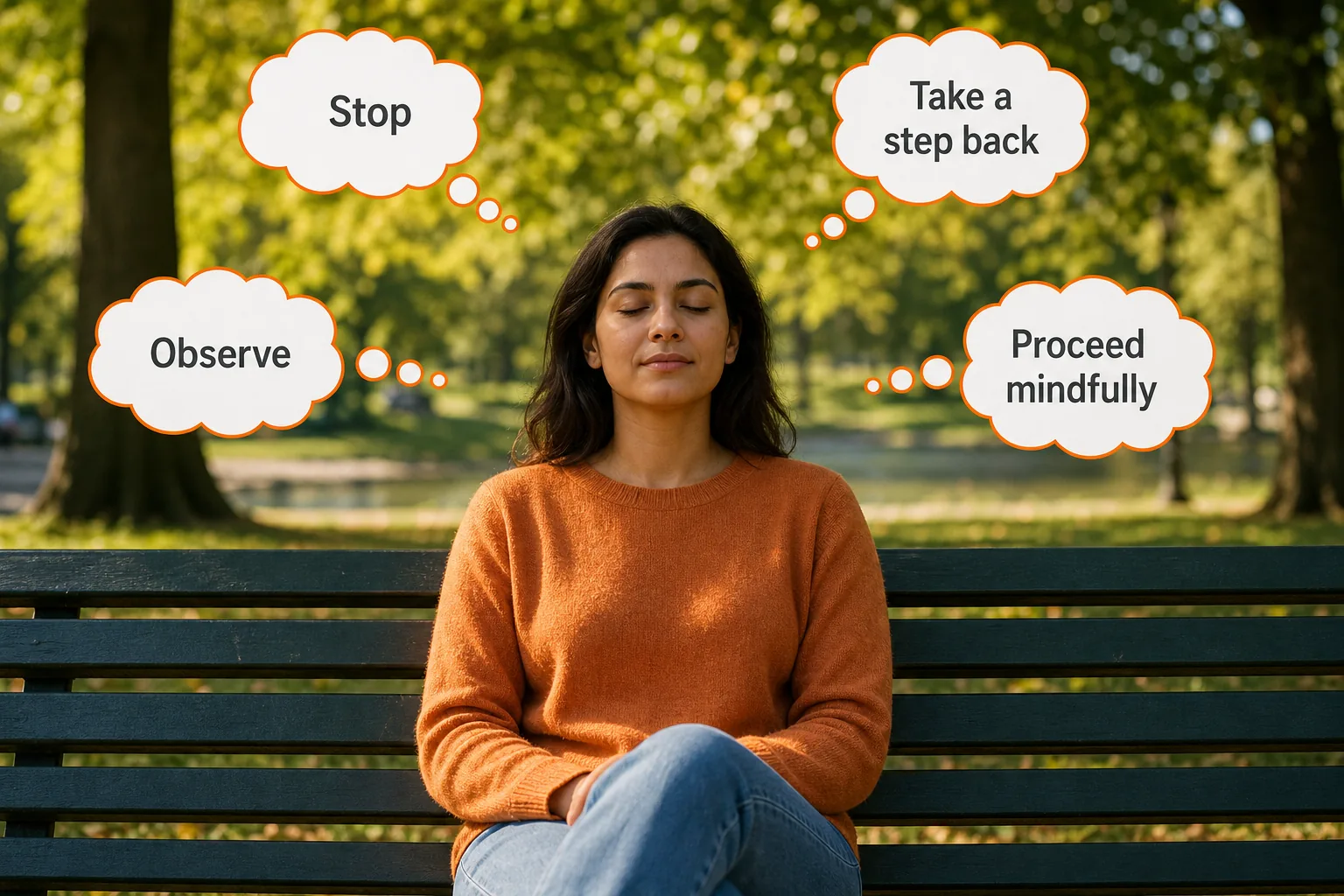
When a skill feels hard, pause briefly and create space before returning to the chosen skill.
Invite partners or family members to join the practice when it makes sense. A couple might rehearse a conflict conversation using a gentle, non-blaming opening, while a parent could model calm breathing for a child during bedtime.
Remember that setbacks are normal. If anxiety spikes, review the log, note what went wrong, and adjust the exposure hierarchy or the thought‑challenge worksheet.
Step 5: Review Progress, Adapt the Plan, and Maintain Gains
Every fourth session, sit down and compare the current rating scale scores to the baseline to discuss changes over time.
Ask the client what felt useful and what felt stuck. If exposure work caused excessive distress, slow the hierarchy and add relaxation techniques between steps.
Consider reviewing available relapse-prevention research for context . Consider adding a monthly check‑in call, a booster group session, or a digital reminder to rehearse key skills.
Fostering Growth and Cooperation runs an ongoing anxiety skills group that provides peer support and periodic skill refreshers. Learn more about the group and keep the momentum going.
Pro Tip:Set a “maintenance” goal for the next three months, like “use a coping skill at least twice a week”, and celebrate each week you hit the target.
FAQ
What counts as evidence based anxiety treatment?
Evidence based anxiety treatment is a therapy that has been tested in controlled studies and shown to reduce anxiety symptoms reliably.
How do I know if CBT is right for me?
CBT works well for most adults with generalized anxiety, panic, or social anxiety; a therapist can use a rating scale to see if your scores improve after a few sessions.
Can I use mindfulness on my own, or do I need a therapist?
You can start with guided mindfulness exercises, but a trained clinician helps you tie the practice to your specific triggers and monitor progress.
Is exposure therapy safe for severe phobias?
When a qualified therapist structures the exposure gradually, it is safe and effective; the key is to move at a pace that the client can tolerate.
How often should an anxiety log be reviewed?
Review the log every week before a session; this gives the therapist concrete data to adjust the plan.
Conclusion
Start with a clear picture of your anxiety, match it to a proven therapy, and build a plan that involves the whole system. Take the free family peace assessment at Fostering Growth and Cooperation and begin the first step toward lasting relief.
References
Johnson, S. (2019). Emotionally focused therapy: A systematic review.Journal of Marital and Family Therapy.
McGuire, J. F. (2024). Evidence‑based assessment for anxiety disorders.Journal of Psychiatry & Behavioral Sciences. Retrieved from https://pmc.ncbi.nlm.nih.gov/articles/PMC11541043/
World Health Organization. (2022). Guidelines for the treatment of anxiety disorders. Retrieved from https://www.who.int/publications/i/item/9789240034221



Comments