
Gottman Therapist Near Me: What to Know

Searching for a Gottman therapist near me can raise quick questions: What does the method involve, and what does a therapist’s training mean? In Greater Cincinnati, start by checking the therapist’s training, approach, location, session format, and fees. Then ask how the first phase of therapy works and whether it fits your needs.
What the Gottman Method Means in Couples Therapy
The Gottman Method is a form of couples therapy built around an assessment of the relationship and planned interventions. Its stated goals include helping partners manage conflict, build friendship, and create shared meaning in their relationship.
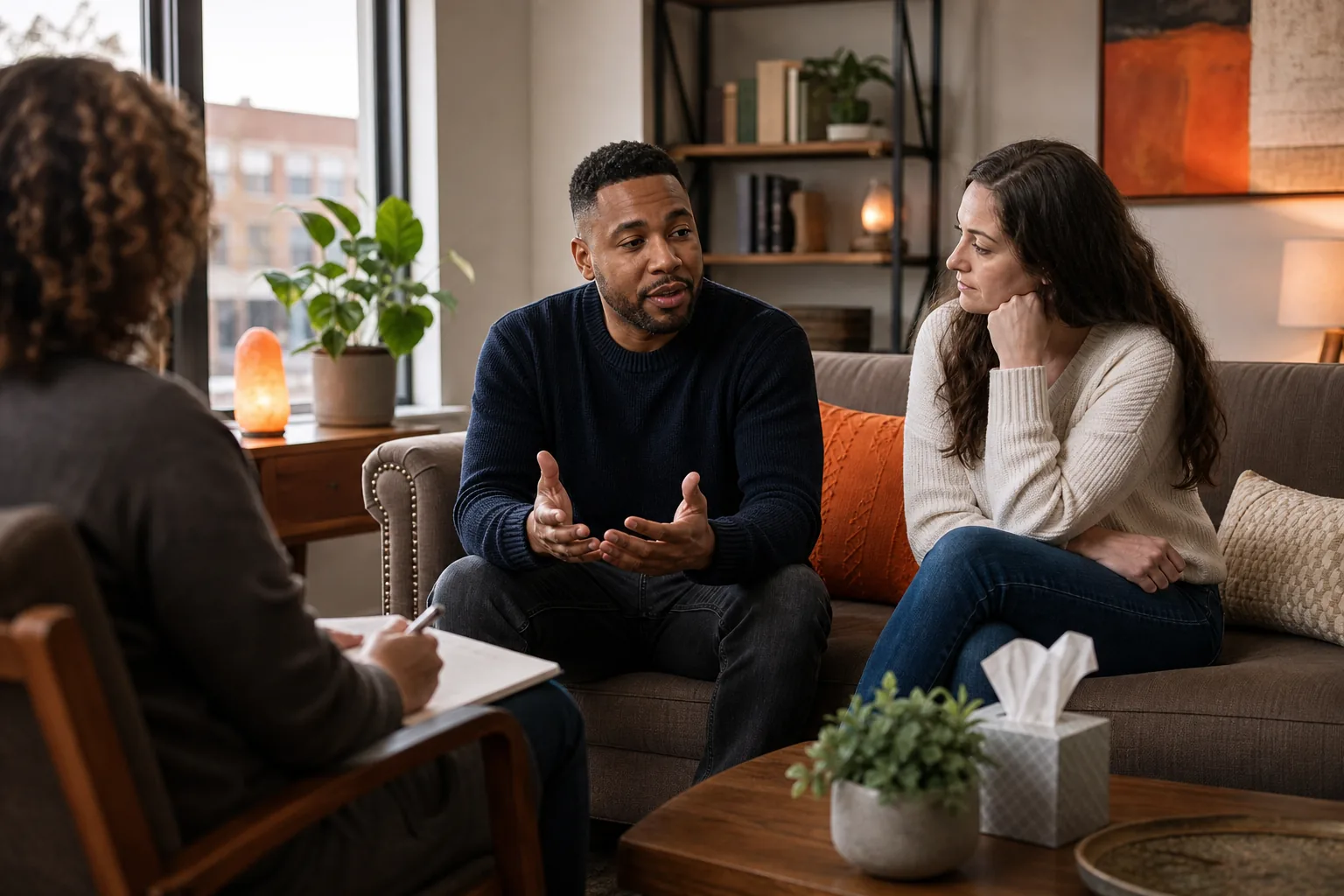
That focus can make sessions feel structured. A therapist may first meet with both partners, then conduct separate interviews. Couples may also complete questionnaires before receiving feedback about patterns and areas to explore. The therapist and couple decide together how often to meet and for how long.
The model looks at the couple’s interaction cycle rather than treating one partner as the sole cause of conflict. For example, one partner may push for a conversation while the other shuts down. The work can examine what each person is trying to protect, how the cycle continues, and what each might do differently.
The method’s goals include building a deeper understanding of each partner’s inner world. Therapy discussions can help partners explore each other’s hopes, concerns, and daily experiences. These ideas are tools for discussion, not a promise that every couple will have the same experience in therapy.
At Fostering Growth and Cooperation , couples work may draw on Gottman concepts alongside family systems and attachment ideas. Family systems looks at how people affect one another within a relationship. Attachment theory focuses on how people seek closeness and security. Dr. Samuel Eshleman Latimer’s practice offers couples and family therapy in Cincinnati.
The approach may be one useful framework, but fit also depends on how the therapist understands your relationship and what you want to work on. A couples therapy process should leave room for both partners’ perspectives and for the cycle between them.
Gottman Referral Network Listings and Training Levels
The Gottman Referral Network is a directory that helps people find therapists who have completed Gottman Method training. Using a directory is a starting point, not a full credential check. The profile can help you identify a clinician to contact, while a direct conversation can clarify their current license, training, and approach.
Training labels matter, but they can be easy to misread. Gottman Method training includes Level 1 and Level 2 courses. Being trained in a method is different from being a Certified Gottman Therapist, so ask exactly which training level the therapist completed.
When you review a profile, check whether the person is licensed or otherwise authorized to practice in your state. Then ask how often they use Gottman tools and whether they combine them with other approaches. The label alone won’t tell you how sessions are run or whether the therapist’s style feels workable for both partners.
It’s also reasonable to ask about issues that matter in your relationship. For example, you can ask whether the clinician has experience working with your family structure, cultural background, or a specific concern such as trust or repeated conflict. Ask how they make space for both partners to speak, especially if one person tends to talk more during hard conversations.
Keep the distinction clear: a training level describes coursework, while a license describes legal authority to practice. Neither one can tell you everything about fit. Ask direct questions and see whether the answers help you understand what the work would involve.
Finding a Gottman Therapist Near Me in Greater Cincinnati
For an in-person search, look across Greater Cincinnati and Northern Kentucky, including Bellevue, KY. A wider search area can help if travel time or appointment location matters. If you’re comparing in-person care with video sessions, ask whether the therapist can provide care in your state and what format they currently offer.
Virtual care can reduce travel, but a therapist must be authorized to practice where each client is located during the session. Fostering Growth and Cooperation serves local clients in the Bellevue and Greater Cincinnati area. For virtual therapy, availability depends on Dr. Latimer’s current authorization in the client’s state; ask before scheduling rather than assuming coverage.
Before you reach out, write down what you hope to address. A short note might say, “We keep getting caught in the same argument about parenting,” or “We want to talk about trust after a difficult event.” You don’t need a polished account. A clear starting point helps the therapist tell you whether their services may fit.
At first contact, ask about format, session length, fees, scheduling, and what happens in the first appointment. You can also ask whether both partners attend the first meeting. If a therapist uses an assessment phase, ask what it includes and how feedback will guide the next steps.
Fostering Growth and Cooperation provides couples, family, and individual therapy, along with online programs and workshops. Learn about its therapy and support services as you consider what kind of help fits your situation. This page is a useful place to begin a conversation about scope and format.

Fees, Insurance, and the First Couples Therapy Session
Fees depend on the practice and session format. Fostering Growth and Cooperation’s couples therapy costs $150 to $300 per hour. Ask whether the rate applies to the full session and whether the initial assessment uses the same fee. Confirm the expected session length before you begin.
Insurance coverage for couples therapy varies by plan and by the reason for care. Contact your insurer before the first session and ask how it handles couples or family therapy, what documentation it requires, and whether the clinician is in network. Ask the practice what payment and billing details it can provide so you can make an informed choice.
During an initial couples session, the therapist may ask each partner what brought them in and what they hope will change. Some approaches begin with a shared meeting, then include individual interviews and questionnaires. The therapist can explain what information is gathered and how it will be used before you decide how to proceed.
You can prepare by agreeing on one or two topics to raise. Try to describe the pattern rather than build a case against your partner. For example: “When we disagree about plans, I bring it up repeatedly, then you stop responding.” That gives the therapist a cycle to explore without deciding in advance who is at fault.
At the end, ask what the next step might be and whether the therapist recommends an assessment phase. You can also ask how goals will be reviewed over time. The plan should be discussed together, and you can raise questions if the approach or pace doesn’t feel clear.
Frequently Asked Questions
Is the Gottman Referral Network free to use?
Yes, searching the Gottman Referral Network is free. The directory helps you find and contact listed clinicians, but it doesn’t pay for therapy. Each therapist sets their own fees and handles payment directly. Before booking, ask about session cost, length, insurance, and any assessment fees so you know what to expect.
Does a Gottman-trained therapist have to be certified?
No, Gottman training and certification are different. A therapist may have completed a training level without holding the Certified Gottman Therapist credential. Ask which levels they’ve completed and whether they are certified. You can also ask how the training shapes the sessions you and your partner would attend.
What happens in a first Gottman couples therapy session?
The first phase often includes a joint session and may include separate interviews or questionnaires. The therapist uses this information to understand relationship patterns and discuss possible goals. The exact process can vary by clinician, so ask what the first appointment covers and whether both partners should attend.
Can couples therapy be done online?
Some therapists provide sessions by video, but availability depends on the clinician’s current authority to practice in the state where each client is located. Ask about video sessions, privacy, and what to do if one partner joins from another state. Don’t assume a therapist can provide teletherapy wherever you live.
When should we seek urgent help instead of couples therapy?
Couples therapy isn’t an emergency service. If there’s immediate danger, contact local emergency services. For a mental health crisis or thoughts of suicide, seek immediate support from a qualified crisis service in your area. If you have a health concern that needs medical care, contact a doctor promptly rather than waiting for a therapy appointment.
Conclusion
Choose a therapist whose training, process, location, and fees are clear to both partners. If you’re considering care with Fostering Growth and Cooperation, the free family peace assessment is a low-pressure way to consider whether its services may suit your needs.
References
Davoodvandi, M., Nejad, S. N., & Farzad, V. (2018). Examining the effectiveness of Gottman couple therapy on improving marital adjustment and couples’ intimacy.Iranian Journal of Psychiatry, 13(2).
Gottman, J. M., Levenson, R. W., Swanson, C., Swanson, C., Tyson, R., & Yoshimoto, D. (2003). Observing gay, lesbian and heterosexual couples’ relationships.Journal of Homosexuality, 45(1), 65 to 91. https://doi.org/10.1300/j082v45n01_04


Comments