
Parenting Counseling for Divorced Parents: Options

Parenting counseling for divorced parents can give co-parents a structured place to discuss conflict, communication, and family routines. The options below include a Cincinnati clinical psychology practice and two other named services; they aren’t ranked, and their services differ.
1. Fostering Growth and Cooperation
Fostering Growth and Cooperation is a clinical psychology practice in Cincinnati that provides evidence-based services for couples, families, and groups. Its work includes support for co-parents handling shared-custody challenges, with a focus on emotional distress, conflict, and clearer communication.

Co-parenting counseling is a form of support for parents who are no longer partners but still share parenting decisions. Sessions may focus on the patterns that keep conflict going, such as a tense handoff or a disagreement about a child’s routine. The goal is to discuss those patterns without making one parent the sole cause of the problem.
Dr. Samuel Eshleman Latimer is a licensed clinical psychologist who leads the practice. Fostering Growth and Cooperation also provides online programs and workshops. In-person services are based in Cincinnati, with the practice serving families in the Greater Cincinnati area.
For co-parents, a useful session can turn a broad complaint into one clear topic: how to share schedule changes, for example, or how to keep children out of adult disagreements. The practice’s overview of what to expect in local co-parenting counseling can help you think through questions to raise before you begin.
Fostering Growth and Cooperation’s family and parenting services are another place to review how the practice describes its support. The right service depends on the family’s needs, the parents’ ability to take part, and any safety concerns.
Key Takeaway:Ask what the sessions will address, who is expected to attend, and whether the work is counseling, a workshop, or an online program.
2. Groundswell
Groundswell is a 501(c)(3) nonprofit that uses a sliding-scale fee. That may be relevant to parents considering cost as part of access, but a sliding scale alone doesn’t tell you whether a particular service fits your family’s needs.
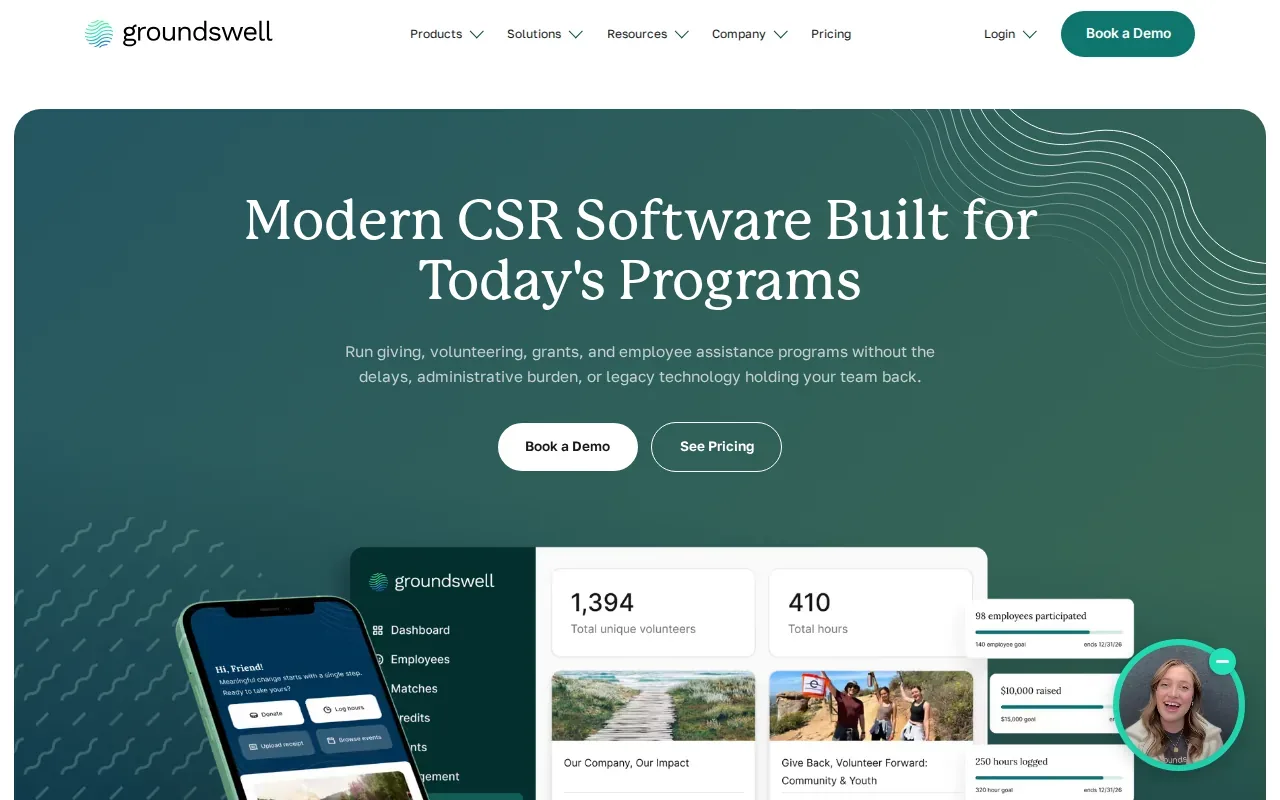
Before treating Groundswell as a counseling provider, check directly that the service you’re considering is counseling for separated parents. Ask what the fee scale applies to and whether the work includes co-parent communication or shared-parenting concerns. Those questions help you distinguish a counseling service from other nonprofit programs.
In any first conversation, describe the issue in plain terms. For example, you might say, “We need help keeping schedule talks focused on our child.” You can also ask how the provider handles high-conflict exchanges and whether each parent meets with the counselor together or separately.
Groundswell is one possible lead to verify, not a substitute for confirming the service, provider qualifications, and fit before starting.
3. Parent Connext® Parenting Specialists by Beech Acres
Parent Connext® Parenting Specialists by Beech Acres provides individualized parenting coaching sessions for $95 per session. Its listed formats include virtual individual coaching, virtual groups, in-person workshops, and a subscription.
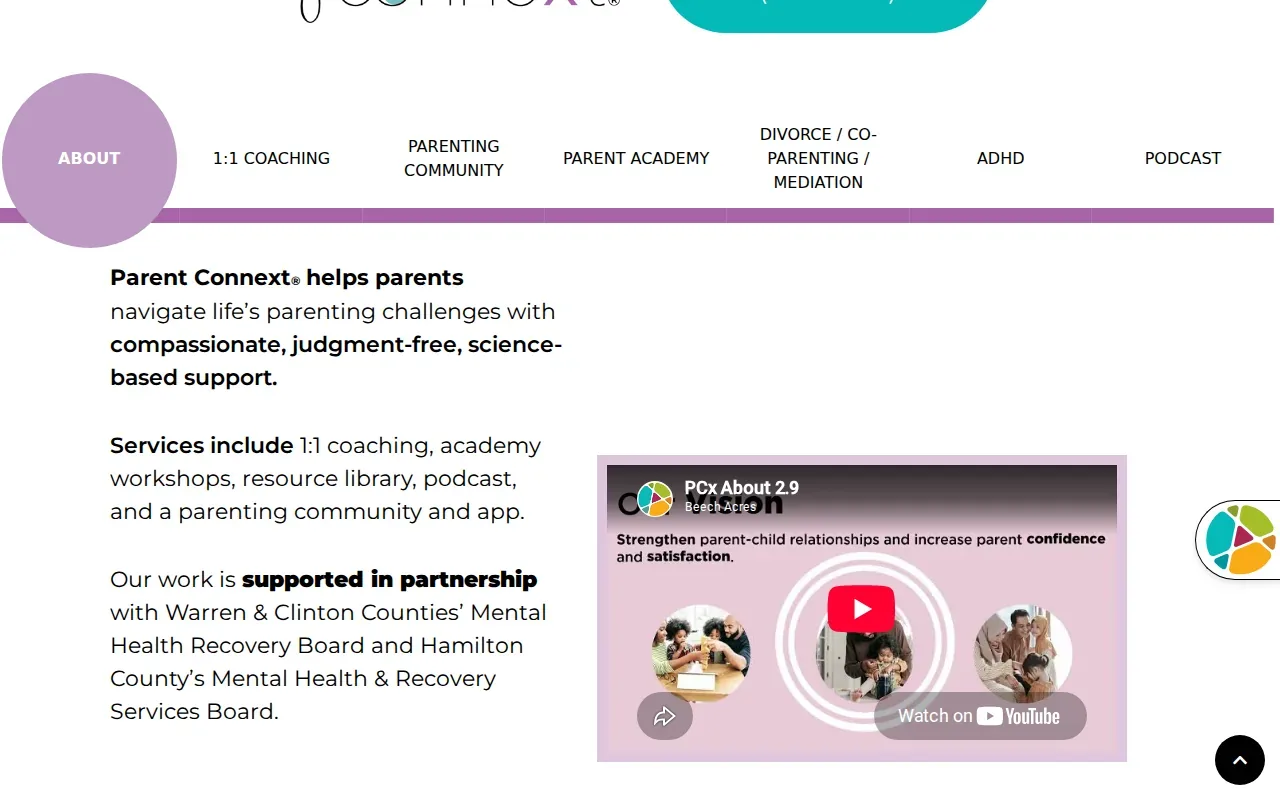
Coaching may be a different kind of support from clinical therapy. Ask what the sessions cover and whether the coach works with divorced parents on the specific issue you want to address. If you need help with intense distress or a safety concern, ask whether this service is appropriate or whether a licensed mental health professional should be involved.
The multiple formats may give parents ways to consider how support fits around separate households and schedules. Still, ask whether the format you’re considering is designed for one parent or both. A shared session may call for different planning than individual coaching.
Before enrolling, clarify the session format, the fee, and what happens when parents have different goals. A clear explanation can help you decide whether coaching matches the support you’re seeking.
What can parenting counseling address?
Parents may use counseling to discuss communication, boundaries, parenting routines, or repeated disagreements about transitions between homes. A counselor can help the adults identify a recurring interaction cycle and consider different ways to respond. This does not require either parent to agree about every past event.
Some parents also need space to process grief or stress after a family change. Others want to plan how they’ll discuss a hard topic with a child. The counselor should explain whether the work is focused on the adults’ co-parenting relationship, the parent-child relationship, or both.
Emotion regulation means noticing and managing feelings as they arise. A parent might pause before replying to a tense message, then send a short response focused on the child’s schedule. This is a communication example, not a guarantee that the other parent will respond in kind.
Attachment theory examines how close relationships shape expectations of safety and connection. Family-systems thinking looks at repeated patterns among family members rather than treating one person as the whole problem. In counseling, those ideas can help frame a conflict as a pattern to understand, not a verdict about either parent.
The guide to calmer communication with an ex-partner covers related ways to prepare for a conversation. Keep any plan focused on what you can control, such as your own tone and the details you choose to share.
What to ask before starting
Is the service therapy, coaching, a group, or a workshop?
Does it work with divorced or separated parents?
Will both parents attend, or can one parent participate alone?
How does the provider handle safety concerns or high-conflict communication?
What are the fee and format for the service you’re considering?
If there is a custody order, what consent or participation rules should you clarify before therapy begins?
Bring one or two examples of the pattern you want help with. Use dates and actions rather than labels. For instance, note that a schedule change was sent the evening before a transition, rather than describing the other parent as unreasonable. If you have questions about custody terms or consent, ask a family-law professional; rules can depend on the order and state law.
Pro Tip:Before a difficult exchange, write down the one decision that needs a response. Keep the message limited to that issue and save a copy for your records.
Frequently asked questions
What is parenting counseling for divorced parents?
Parenting counseling for divorced parents is support focused on how separated parents communicate and make parenting decisions. Sessions may address recurring conflict, boundaries, or routines across two homes. It is different from individual therapy for a child, though a clinician may discuss whether the child needs separate support.
Can I go to co-parenting counseling without my ex?
Yes, you can ask a provider whether they work with one parent individually. Some concerns can be discussed by one parent, while other services are built around both parents taking part. Ask what the sessions can address if only one co-parent attends, and whether the provider has any consent requirements.
What should I bring to a first counseling session?
Bring a short list of the main concerns you want to discuss, plus any relevant schedule details. If the provider asks for it, bring the current custody order or parenting plan. Focus on specific events and questions rather than trying to prove who is at fault. The counselor can explain what else is useful.
When should I seek more immediate mental health help?
Seek help from a qualified mental health professional if distress is making daily life hard to manage or you’re worried about someone’s safety. For suicidal thoughts or a mental health crisis, contact a qualified crisis-support service. For immediate danger or a severe, sudden emergency, call 911.
A next step
Choose the kind of support that matches your main concern, then ask the provider how sessions work and what they cost. If you’re unsure where to begin, Fostering Growth and Cooperation has a short Family Peace Assessment to help you consider what may be contributing to stress at home. It can be a starting point for deciding what questions to bring to a consultation.
References
Bowlby, J. (1982).Attachment and loss: Vol. 1. Attachment(2nd ed.). Basic Books.
Johnson, S. M. (2019).Attachment theory in practice: Emotionally focused therapy (EFT) with individuals, couples, and families. Guilford Press.



Comments