
7 Family Cooperation Activities for Shared Play
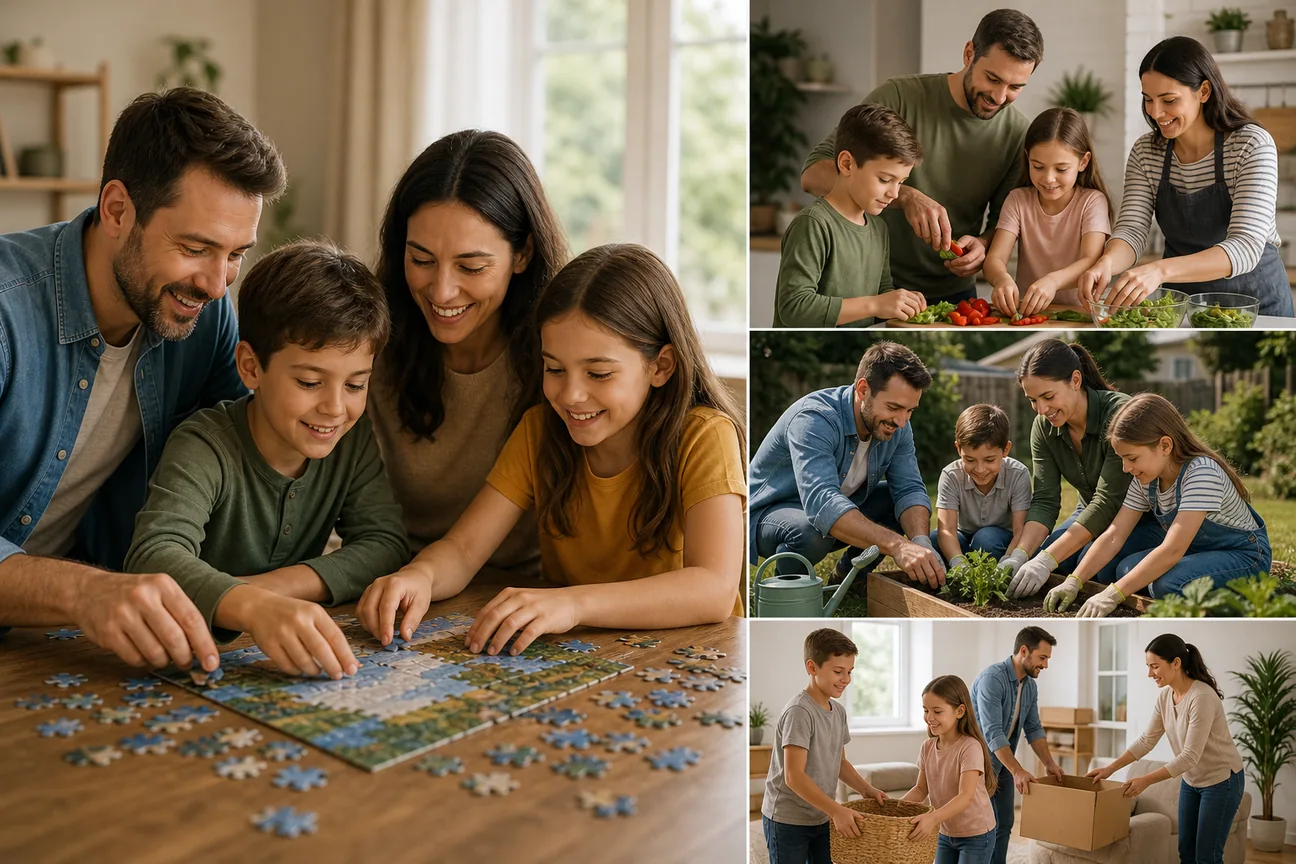
Family cooperation activities can turn shared play into a chance to practice listening and working toward one goal. Here are four cooperative games and three no-purchase challenges, with ways to adapt play and make room for every family member.
1. Outfoxed! by Gamewright: A Cooperative Mystery for Family Teamwork
Outfoxed! is a cooperative mystery game about finding the fox who took Mrs. Plumpert’s pot pie. Players look for clues and try to work out which fox is responsible before it gets away. The shared mystery gives family members a common task to talk through, rather than asking one person to beat another.
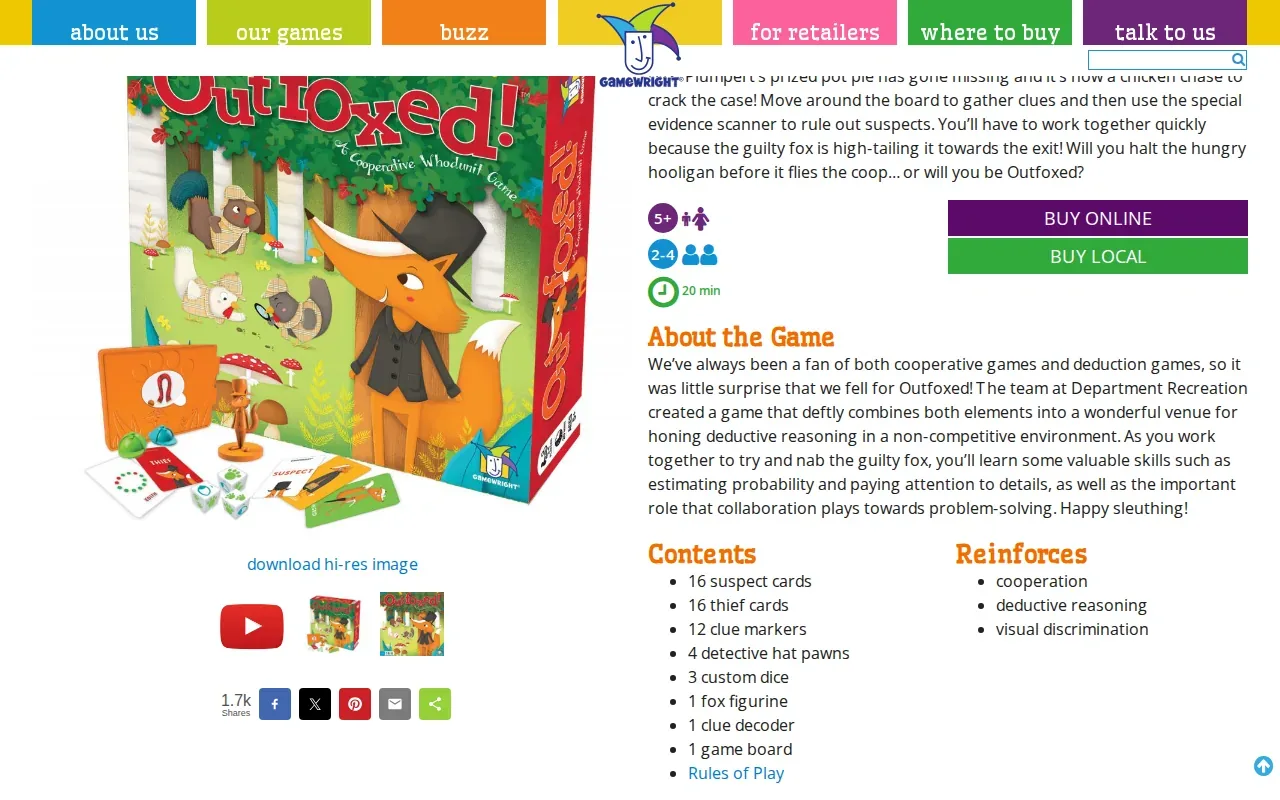
It may suit families who enjoy stories and deduction. Younger children can help spot clues or name a suspect, while older players can explain how they reached a guess. Keep the discussion open: ask what the group knows so far instead of rushing to give the answer. Cooperative mystery play is a natural fit for a screen-free table activity.
After the game, try asking, “Which clue changed our minds?” or “How did we decide what to check next?” Those questions draw attention to the group’s choices, not just its result. For more low-pressure ways to work toward shared goals, Fostering Growth and Cooperation also has family cooperation exercises .
2. Forbidden Island by Gamewright: A Shared Adventure with a Common Goal
Forbidden Island is a cooperative adventure game in which players join a team of adventurers. Its shared-goal structure can prompt useful family talk: what does the group want to do, and whose idea should it try first?
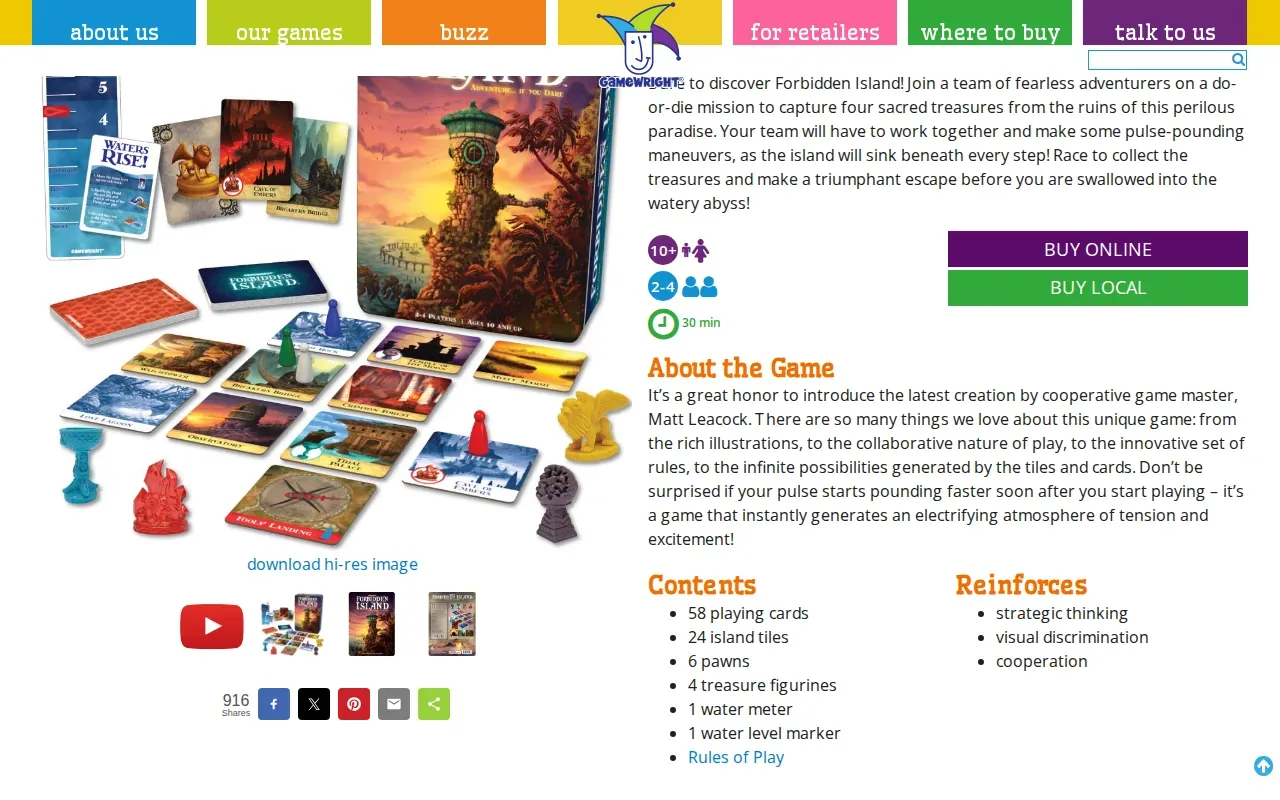
This may appeal to families who like an unfolding adventure more than a quick guessing game. Before play, agree that everyone gets room to speak. A child who is still learning the rules might help choose between two options, while an older child can explain their reasoning without taking over.
Cooperative play doesn’t mean everyone will agree. That’s part of the activity. A parent can model a calm disagreement by asking, “What makes you think that will help us?” Families can use a family board-game resource, such as Kansas State University Research and Extension’s family strengths cards, as a prompt for conversation.
For a larger family, invite players who aren’t taking a turn to help track the shared goal. With a smaller group, pause between decisions so no one feels rushed.
3. Bandido by Helvetiq: A Quick, Low-Prep Cooperative Game
Bandido is a cooperative game for one to four players, ages six and up, with a play time of about 15 minutes. That short format can make it easier to fit shared play into a busy evening without turning it into a major plan.
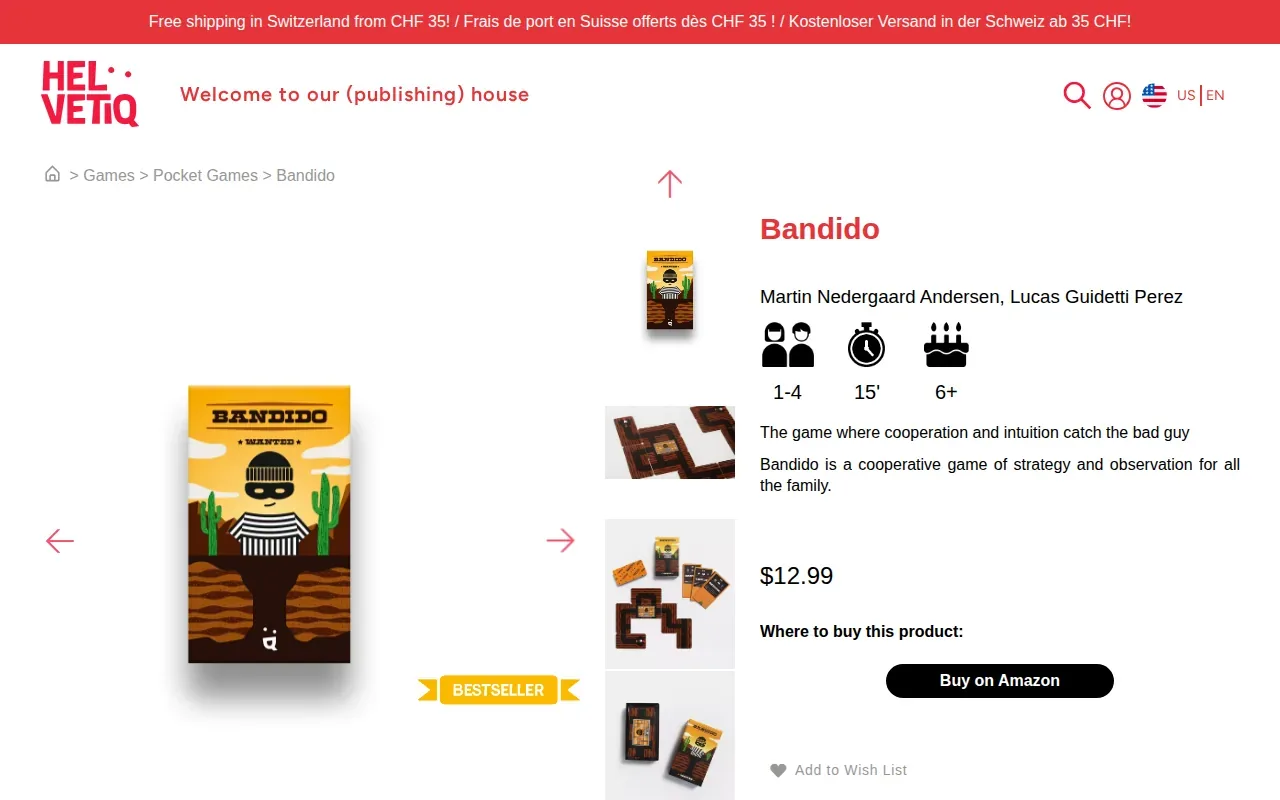
It may suit families who want a compact activity with a clear team aim. Set aside a screen-free stretch, even if it’s brief. Let each player explain an idea before the group chooses what to do. The point is to practice shared decision-making, not to turn the game into a lesson or a test.
One simple follow-up is, “When did someone’s idea help the group?” If the play ends in frustration, acknowledge that feeling rather than insisting everyone enjoyed it.
For more family support, Fostering Growth and Cooperation provides therapy and workshops focused on family, couples, and individual needs. Information about family conflict workshops may help you consider whether structured support fits your situation.
4. Castle Panic by Fireside Games: A Team Defense Game for Shared Decisions
In Castle Panic, monsters attack a castle, and players work together in a cooperative game. That premise gives the group a shared problem to discuss: which move supports the team’s plan?
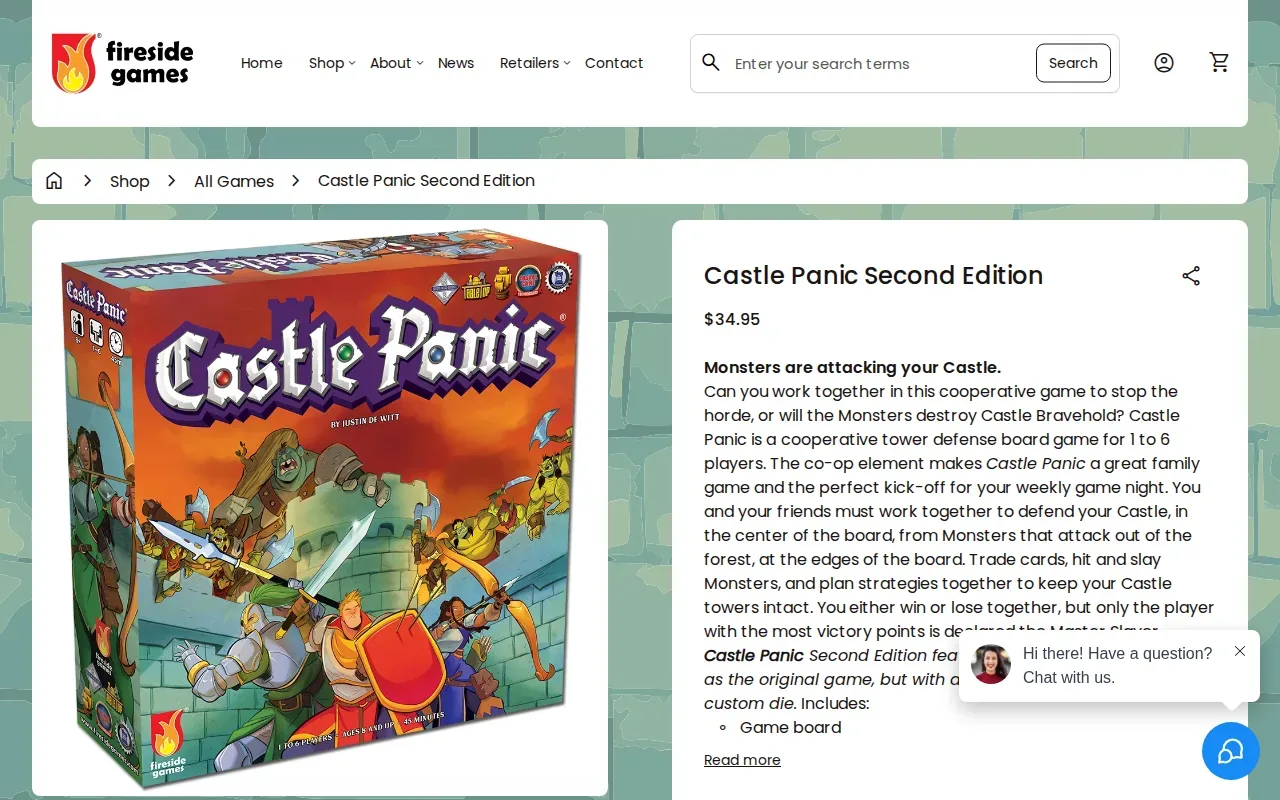
It may work for families who enjoy planning as a group. Parents can make space for children to offer ideas, then ask what the group might gain or give up with each choice. If one person tends to lead, try a turn-taking rule for discussion: each player speaks once before the group decides.
For a low-prep activity alongside the game, build one tower from blocks or paper cups. Set a shared goal, such as making it stand on its own, then let family members suggest changes. A second option is a picture-based treasure hunt around one room, with everyone finding items from the same list rather than racing to collect the most. A ball passed between two or more people can also become a group challenge: count how many passes the family makes before the ball drops.
Keep the play area clear, choose objects that are suitable for the children’s ages, and skip climbing or carrying anything heavy. At home, keep the activity within each person’s comfort and ability.
Make Shared Play Welcoming at Different Ages
Use simple rules for younger players, then add choices as children are ready for them. A child who can’t yet read might point to a picture or hand over a game piece. An older sibling can explain a rule, but doesn’t need to make every decision. Adults can model flexibility by accepting a reasonable idea that isn’t their own.
Family size matters less than whether everyone has a role. In a large group, pair up or invite some people to observe and help the team think. For a small group, take turns naming the next idea. If the activity starts to feel tense, pause, change the goal, or stop. Cooperation is not the same as obedience; it grows through shared choices and respectful limits.
After play, ask one or two questions: “What helped us work together?” “Was there a moment we changed our plan?” “What would we try next time?” Keep the tone curious. These are prompts for conversation, not a way to judge a child’s behavior.
Try this:Let each person choose one small part of the next activity, such as the goal, the roles, or the closing question.
Fostering Growth and Cooperation is a Cincinnati-based clinical psychology practice offering family, couples, and individual therapy, along with online programs and workshops. If recurring conflict makes shared activities hard, you can explore family support options or start with the practice’s free 2-minute family peace assessment .
Frequently Asked Questions
What are family cooperation activities?
Family cooperation activities are shared games or challenges where people work toward a common goal. They can be as simple as passing a ball or building a tower together, or they can use a cooperative board game. The focus is on taking part, listening, and making choices as a group, not on one family member winning over another.
How can I adapt cooperative play for different ages?
Give younger children a small role they can manage, such as choosing a picture or placing a piece. Older children can help explain choices, while adults make space for everyone to speak. Keep rules simple at first. Add complexity only when the group is ready, and change or stop an activity if it becomes frustrating or unsafe.
What can we ask after a cooperative game?
Ask questions that help the family notice how it worked together. Try, “What helped us decide?” or “When did we change our plan?” You can also ask, “What would we try next time?” Let each person answer without correcting them. Reflection should invite conversation, not turn the activity into a performance review.
Are cooperative games a substitute for family therapy?
No. A game can offer a shared activity, but it doesn’t assess or treat family concerns. If conflict is affecting daily life, consider discussing it with a qualified mental health professional. Fostering Growth and Cooperation offers family therapy and workshops in Greater Cincinnati. For immediate danger or a mental health crisis, call or text 988; call 911 for an emergency.
When should I stop an activity or seek medical help?
Stop play if someone feels unsafe, distressed, or unable to take part comfortably. For an injury or a sudden health concern, contact a doctor; seek emergency care for severe or sudden symptoms. A family game should never replace medical or mental health care. If play brings up a difficult issue, you can pause and decide together what support is appropriate.
Conclusion
Choose a game or simple challenge that suits your family’s ages and energy, then agree on one shared goal. For your next play session, put devices aside and let each person contribute one idea. If family conflict makes connection difficult, consider the free family peace assessment or professional support as a way to explore what may fit.
References
Kansas State University Research and Extension. (n.d.).Bonding through board games: Family strengths cards.
Seldin, T. (n.d.).Everyone wins together: Discovering the pleasure of cooperative games.The Montessori Way.



Comments