
Best Anger Management Therapy Cincinnati Options

Feeling like anger takes over your day? You’re not alone, and you don’t have to keep struggling in silence. Below is a curated shortlist of Cincinnati‑based anger‑management options, plus a quick guide to match each format to your relationship pattern.
1. Fostering Growth and Cooperation — Relationship‑centered therapy for anger and conflict
Fostering Growth and Cooperation is a Cincinnati practice that blends attachment theory, emotional‑focused techniques, and DBT skills to help individuals and families break angry cycles. Dr. Samuel Eshleman Latimer leads a team that designs sessions around real‑world triggers, so you practice new responses between visits. The practice offers in‑person and online formats, making it easy to fit therapy into a busy schedule. It’s a good fit if you want evidence‑based tools that target both the mind and the relational environment.
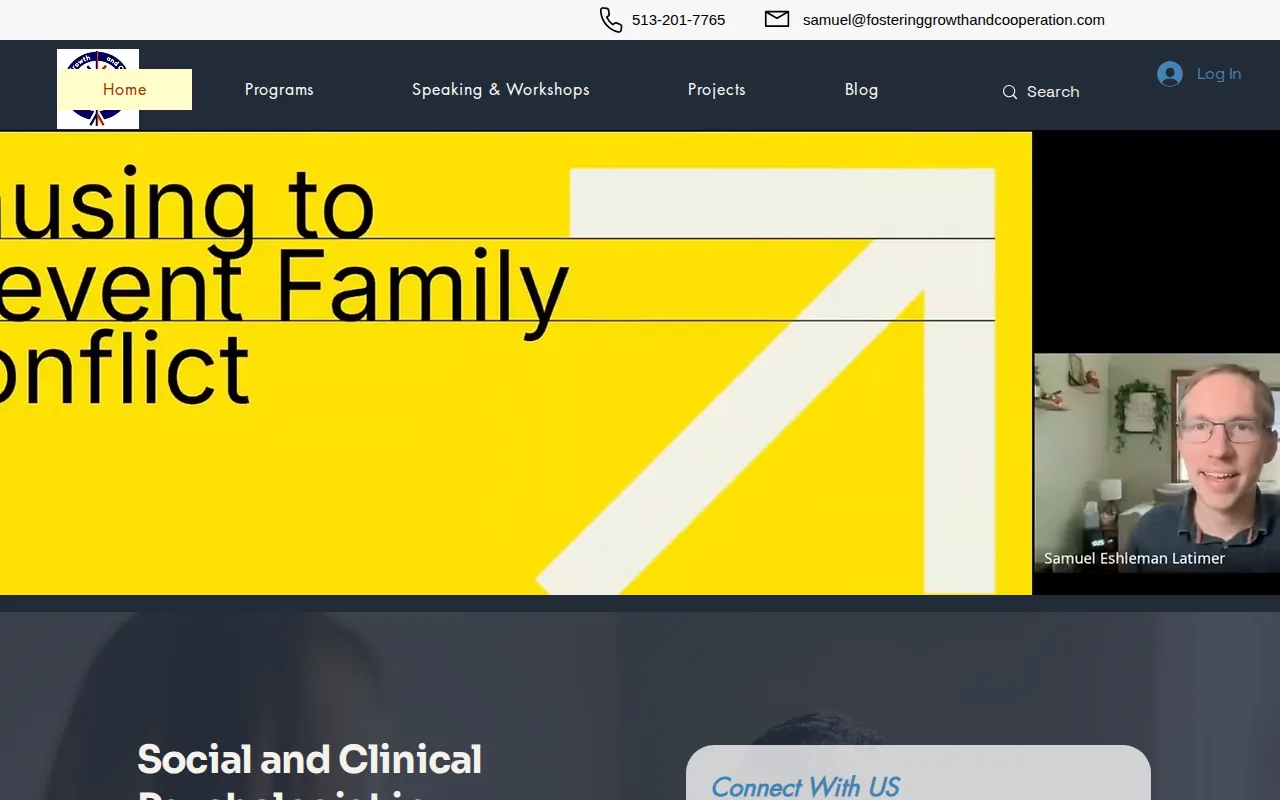
Clients often report that the combination of skill‑building and systemic insight lowers their stress levels within weeks. The practice also runs workshops for schools and nonprofits, extending the work beyond the therapy room.
One limitation: the practice does not accept all insurance plans, so you’ll need to verify coverage or use a self‑pay option.
2. Individual Anger Management Therapists in Cincinnati — Focused emotional‑regulation support
Several Cincinnati clinicians offer one‑on‑one anger‑management work rooted in dialectical behavior therapy (DBT) . DBT’s four pillars, mindfulness, emotion regulation , interpersonal effectiveness, and distress tolerance, directly address the impulse spikes that fuel angry outbursts. Anger-management work can help people recognize triggers and replace reactive habits with healthier coping skills.

Therapists such as Sophia Fisher and Anna Cummins combine DBT with cognitive‑behavioral strategies, giving clients tools they can use immediately at work or at home. Many providers accept major insurers, and many offer evening or weekend slots.
Because the work is highly individualized, progress can feel slower if you’re hoping for a quick fix. Consistency, typically weekly sessions over three to six months, is key.
3. Relationship-Focused Therapy for Anger and Conflict in Cincinnati — Repairing the negative cycle
When anger seeps into a partnership, the pattern often spirals: one partner’s outburst triggers defensiveness, which fuels the other’s retaliation. Relationship-focused therapy aims to stop that loop by teaching partners how to voice hurt without blame and how to listen without judgment. A licensed marriage‑and‑family therapist may use Gottman‑based exercises and attachment‑informed dialogue to rebuild trust.

The approach blends skill‑building (e.g., “soft start‑up” language) with deeper exploration of each partner’s emotional triggers. Sessions can be in‑person or virtual, and many couples find the structured homework especially helpful for real‑world practice.
One downside: the cost is out‑of‑pocket, and insurance coverage is limited. If budget is a concern, explore sliding‑scale options at local community clinics.
Learn more about our relationship-focused therapy services and how we tailor interventions to each pair’s unique dynamic.
4. Family and Parenting Workshops in Cincinnati — Changing the environment around anger
Family and parenting workshops treat anger as a signal of mismatched roles or unspoken expectations within the household. Therapists map out interaction patterns, then coach families to shift those patterns toward cooperation. Dr. Latimer’s team uses structural family therapy alongside mindfulness practices to help parents model calm responses for their children.

Family-based interventions may help reduce aggression in children when parents consistently practice new communication skills.
This option shines when multiple family members contribute to the tension, but it may feel intrusive if only one person wants change. Commitment from the whole household is usually required for lasting impact.
5. Group Classes and Online Support — Flexible practice beyond the therapy room
Group classes let you practice new skills with peers who face similar triggers. Programs often include weekly live sessions, guided mindfulness meditations, and a private forum for sharing successes. Fostering Growth and Cooperation runs a six‑week “Anger‑Free Living” cohort that blends DBT skills with narrative therapy exercises.

Online platforms add convenience: you can log in from work, a coffee shop, or home. The digital format also offers a library of video lessons you can revisit at any time.
Group settings may not suit those who feel uncomfortable sharing personal stories in front of strangers. Also, because the format is scheduled, you need to commit to the full series to see results.
Start with our free family peace assessment to see which format fits your needs.
Cincinnati Anger Management Therapy Comparison — Match the format to the relationship pattern
Option | Format | Best For | Key Consideration |
Fostering Growth and Cooperation | Individual, couples, family, group, online | Clients who want a unified, evidence‑based approach across relationship types | Self‑pay may apply |
Individual emotional regulation support | One‑on‑one, in‑person or virtual | People focused on personal emotional regulation | Progress can be gradual |
Couples-focused therapy | In‑person or virtual couples sessions | Partners stuck in angry cycles | Out‑of‑pocket cost |
Family-focused counseling | Family and parenting workshops | Households where multiple members contribute to tension | Requires whole‑family buy‑in |
Group and online programs | Live group classes + on‑demand videos | Clients who prefer peer support and flexibility | May feel exposed in a group |
Key Takeaway:Choose the format that mirrors the pattern you want to change, individual work for internal triggers, couples work for relational loops, family work for systemic patterns, and groups for shared practice.
How to Choose the Right Option
Identify the primary source of the anger (self, partner, family, environment).
Check insurance coverage or budget constraints.
Consider your schedule, do you need evenings, weekends, or online access?
Ask yourself if you’re comfortable sharing in a group setting.
Start with a short free assessment to see which model aligns with your goals.
FAQ About Anger Management Therapy in Cincinnati
How long does anger‑management therapy usually last?
Most programs run between 8 and 12 weekly sessions, though some people continue for six months if deeper patterns need work.
Does insurance cover anger‑management therapy?
Many insurers cover individual therapy when a mental‑health diagnosis is coded, but coverage varies; check your plan or ask the provider’s billing office.
Can I do anger‑management therapy online?
Yes, most Cincinnati providers now offer secure video sessions, and online sessions are available for added flexibility.
What if I’m court‑ordered to attend anger‑management?
Many local therapists, including Fostering Growth and Cooperation, accept such referrals and can provide progress reports.
Is DBT effective for anger?
DBT targets emotional‑regulation skills that can help people respond differently to anger.
Conclusion
If you want a complete, research‑backed path to calmer interactions, start with Fostering Growth and Cooperation’s integrated approach. Take the next step by completing the free family peace assessment today.
References
Johnson, S. M. (2019).Attachment theory in adult relationships. New York, NY: Guilford Press.
Anger and emotional regulation.