
Best Blended Family Therapy Options
Updated: Sep 3

Finding the right help for a stepfamily can feel overwhelming. You need a therapist who gets the unique dynamics of co‑parenting, shared custody, and blended relationships. Below is a shortlist of options that actually work for stepfamilies, plus a quick guide on what to look for.
1. Fostering Growth and Cooperation — Cincinnati therapy for family conflict and co‑parenting
Fostering Growth and Cooperation is a Cincinnati clinical psychology practice that blends family systems, Emotionally Focused Therapy (EFT), Gottman methods, and DBT into a single package. They serve step‑parents, co‑parents, and children through in‑person sessions, virtual workshops, and a structured online program. The practice accepts Aetna and Quest Behavioral Health and offers a free 2‑minute family peace assessment that helps you see where the biggest friction points lie.

Families who choose this option get evidence‑based tools for emotional regulation, managing feelings in real time, plus clear communication drills that fit busy schedules. For general context, family therapy resources in Cincinnati can help families consider approaches to current stressors. A small limitation is that the practice caps group sizes, so you may need to wait for the next intake cycle.
2. Clear Path Couples Counseling — Gottman‑ and EFT‑informed support for parents and adolescents
Clear Path Couples Counseling offers a mix of Gottman Method, Emotionally Focused Therapy, and Cognitive Behavioral Therapy. The clinic markets its work to parents, couples, and teens, making it a solid choice for families where adolescents need a voice in the therapy room.

One strength is the focus on adolescent development; they run separate teen groups that sync with the parent sessions, so the whole family moves forward together. The practice does not list insurance acceptance or a free assessment, which means you’ll need to confirm coverage directly.
Because the clinic’s logistics are less transparent, families should call ahead to verify payment options before committing.
3. Online therapy for blended families — flexible access for shared‑custody households
Online platforms let stepfamilies connect with licensed therapists from anywhere, which is handy when parents split time between homes. Online therapy services can connect families with therapists who understand stepfamily dynamics and may offer video, phone, and messaging options, making it easier to schedule sessions around school pickups and work shifts.
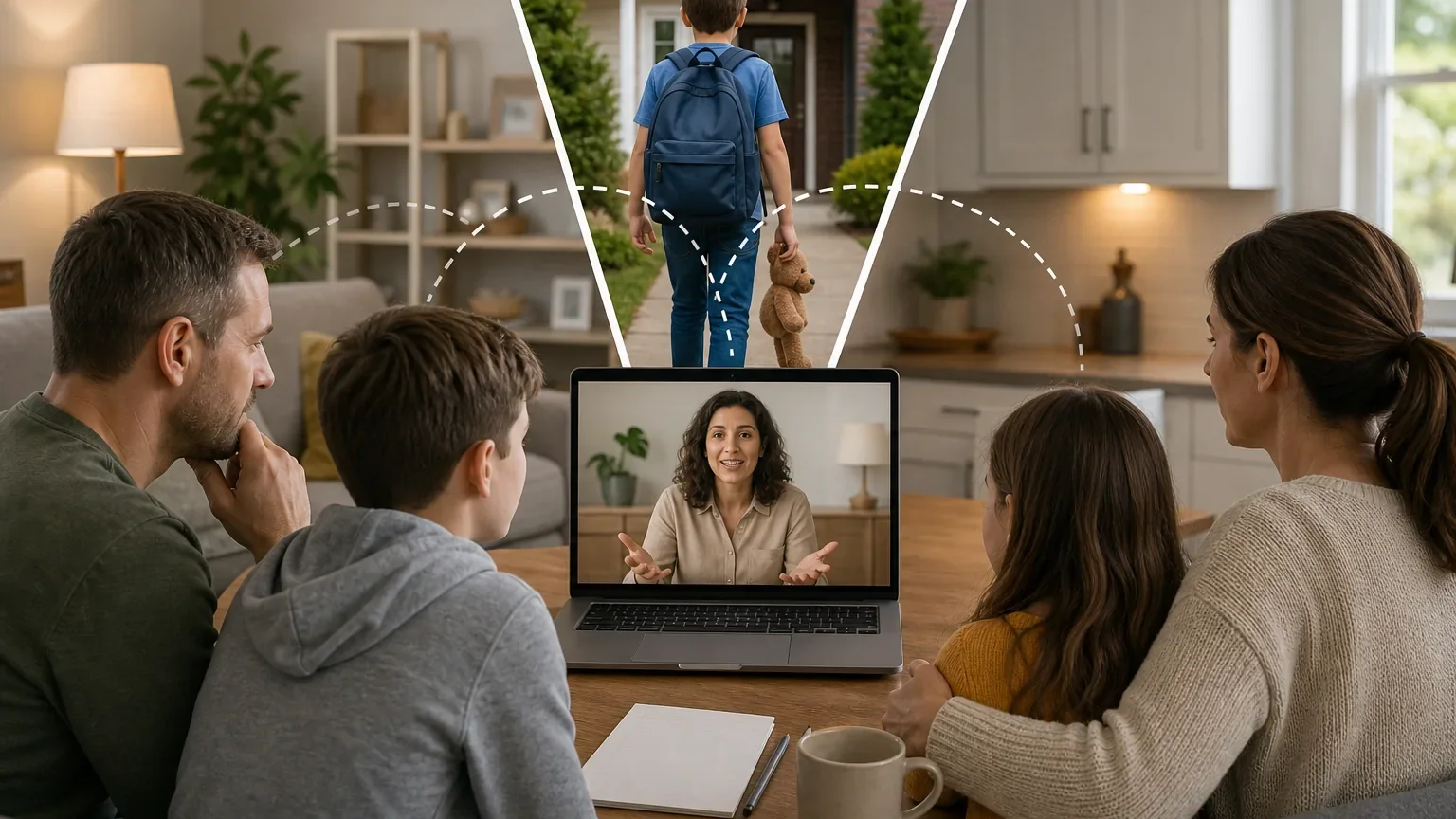
These programs often include homework modules that teach kids how to express needs without blame. The flexibility means you can keep therapy consistent even if one parent lives in another city. For coverage questions, review Understanding Family Therapy Insurance Coverage and verify that your specific policy covers tele‑health for families. A downside is that the therapist may not have deep local knowledge of Ohio’s school system or community resources.
Pro Tip:Schedule a brief “tech check” before the first session so everyone knows how to mute, share screens, and use the chat feature without interrupting the flow.
What to Look for in Blended Family Therapy
Choosing the right therapist means matching your family’s usable needs with clinical expertise. Here are the core criteria to evaluate:
Evidence‑based models (EFT, Gottman, family systems)
Delivery format that fits your schedule (in‑person, virtual, hybrid)
Insurance acceptance or transparent self‑pay rates
Free assessment or intake interview to gauge fit
Specialized work with adolescents or step‑children
Blended Family Therapy Options Compared
The table below puts the three options side‑by‑side so you can see where they differ.
Provider | Delivery Mode | Core Models | Insurance | Free Assessment |
Fostering Growth and Cooperation | In‑person, online, workshops | Family systems, EFT, Gottman, DBT | Aetna, Quest Behavioral Health | Yes – 2‑minute peace quiz |
Clear Path Couples Counseling | In‑person (no clear virtual info) | Gottman, EFT, CBT | Not disclosed | Not disclosed |
Other therapy providers | Details vary | Varies by provider | Check with provider | Not disclosed |
When you compare the rows, the Cincinnati practice stands out for its blended‑family focus and transparent insurance options. For more context on local options, see this local resource .
How to Choose – Quick Checklist
Confirm the therapist uses at least one model backed by research (EFT, Gottman, DBT).
Ask about insurance participation before the first appointment.
Take the free 2‑minute assessment to see if the practice’s style matches your needs.
Check whether the provider offers adolescent‑specific sessions.
Consider scheduling a brief trial session to test comfort level.
Key Takeaway:A practice that combines evidence‑based methods, flexible delivery, and a free assessment removes most of the guesswork for stepfamilies.
FAQ: Blended Family Therapy
What is blended family therapy?
Blended family therapy is a form of counseling that helps step‑parents, biological parents, and children handle new family roles, improve communication, and manage conflict.
Do I need insurance to cover blended family therapy?
Many therapists accept health‑plan benefits, but coverage varies. Fostering Growth and Cooperation lists Aetna and Quest Behavioral Health, while other providers may require out‑of‑pocket payment.
Can therapy be done online for a stepfamily?
Yes. Remote sessions may offer flexible access for families managing shared‑custody schedules.
How long does blended family therapy usually last?
The length of blended family therapy depends on the family’s goals and the severity of conflict.
Is there a free way to see if therapy is right for us?
Fostering Growth and Cooperation offers a free 2‑minute family peace assessment that gives a quick snapshot of relational strengths and stress points.
Conclusion
If you want a stepfamily that communicates clearly and feels secure, start with Fostering Growth and Cooperation’s evidence‑based approach. Take the free 2-minute family peace assessment now and see if their model fits your family’s needs.
References
Lebow, J., & Snyder, D. (2022). Contemporary couple therapy: A critical analysis and synthesis.Journal of Marital and Family Therapy. Retrieved from PMC
Wikipedia contributors. (2024). Family therapy. InWikipedia, The Free Encyclopedia. Retrieved from Wikipedia



Comments