
Best Online Family Conflict Reduction Programs

Family fights can wear anyone down. If you’re looking for a proven way to ease tension and build cooperation, these options give you a clear path forward. Below is a shortlist of programs that actually use research‑backed methods, and a quick guide to help you choose.
1. Fostering Growth and Cooperation
Fostering Growth and Cooperation is a Cincinnati‑based clinical practice that runs an online family conflict reduction program. It blends evidence‑based family therapy, DBT skills, and parent‑focused workshops into a single, flexible platform.
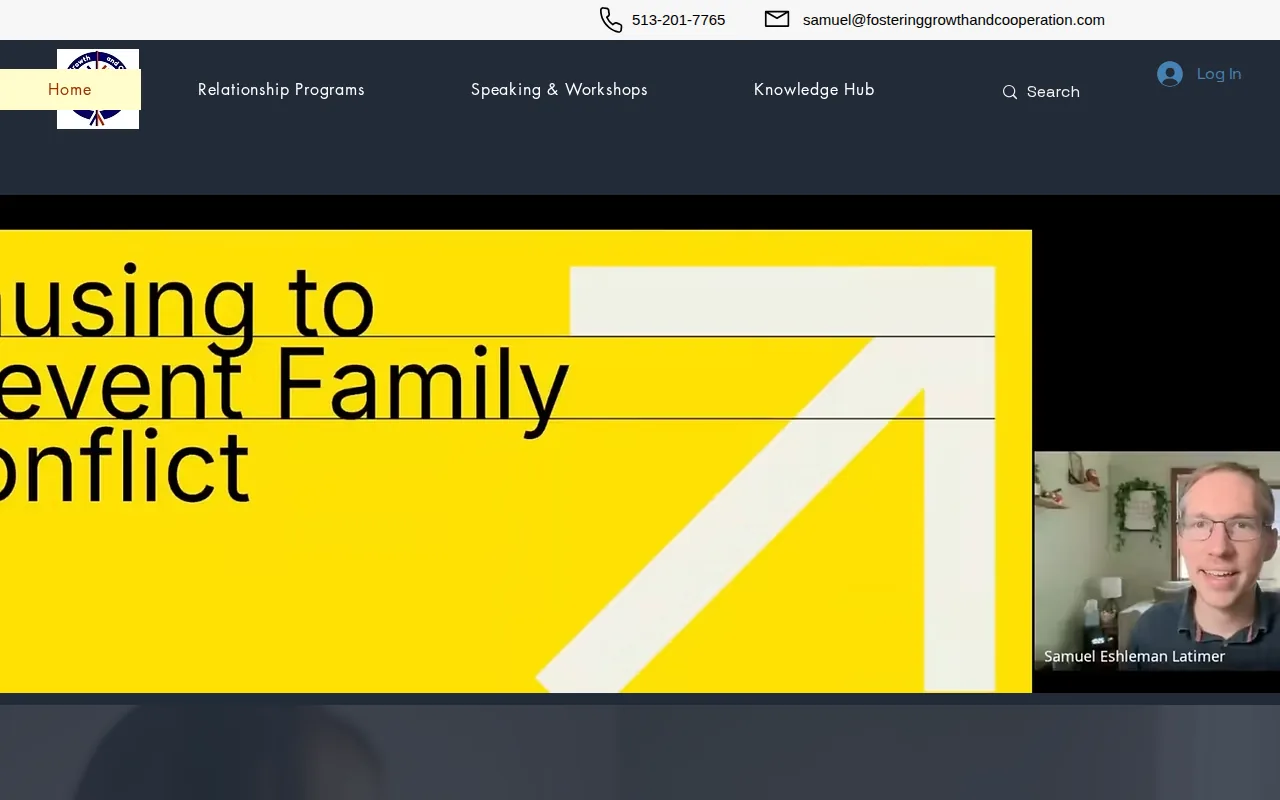
The program works well for parents who want a therapist‑guided experience without leaving home. It serves families dealing with chronic arguments, high‑conflict co‑parenting, or anxiety that fuels disputes. The practice’s staff, led by Dr. Samuel Eshleman Latimer, applies attachment theory and the Gottman Method to pinpoint interaction patterns that keep conflict alive.
Research shows that integrating multiple therapeutic lenses, like behavioral psychology and emotional regulation , produces stronger outcomes than single‑method approaches (Johnson, 2019). Participants report calmer evenings and clearer communication after just six weeks. The program also offers group sessions where families practice new skills together, which helps model cooperation in a supportive setting.
A limitation is that the online format relies on stable internet, so families in very low‑bandwidth areas may struggle to join live sessions. Still, the practice provides recorded materials for later viewing.
Key Takeaway:This is the most complete, therapist‑led option for families who want guided, research‑backed conflict reduction.
Ready to see if this fits your family? Start with our free 2‑minute family peace assessment and get a personalized recommendation.
2. Walking the Middle Path
Walking the Middle Path offers a multi‑family DBT skills group designed for teens and parents. The program teaches distress tolerance, emotional regulation, and interpersonal effectiveness, core DBT tools that help families pause before reacting.

It’s best for families who notice intense emotions spiraling into arguments, especially when a teen’s mood swings trigger conflict. The group format lets participants see peers model calm communication, which can normalize the learning process.
Walking the Middle Path tailors DBT to the family unit, not just the individual, so parents learn to respond skillfully instead of escalating.
One caveat: the program runs in weekly live sessions, so families must commit to a regular schedule. Missed weeks can slow progress, though recordings are available for review.
Pro Tip:Encourage each family member to write down one DBT skill they’ll practice daily; consistency builds lasting change.
3. Family Check‑Up Online (FCU‑O)
Family Check‑Up Online (FCU‑O) adapts the evidence‑based Family Check‑Up model for remote delivery. It blends motivational interviewing, the Everyday Parenting Curriculum, and an ecological framework that accounts for stressors like poverty or job loss.
This option fits families who need flexible, self‑paced learning paired with occasional coaching. The web‑based app includes assessments, video lessons, and three telehealth coaching sessions that guide parents through the material.
Because the program is fully digital, families with limited data plans might face challenges. The app does, however, work on smartphones and tablets, which helps reach low‑SES households.
4. Born Learning (Crescer Aprendendo) Program
Born Learning delivers a 20‑week hybrid program via WhatsApp group messages, daily multimedia content, and optional virtual meetings. Two in‑person gatherings bookend the curriculum to reinforce skill practice.The program shines for families that prefer brief, daily touchpoints rather than long weekly sessions. It targets parents of school‑age children who need concrete strategies for managing stress and conflict at home.
A unique feature is the provision of three food baskets to participating families during the intervention.
The main limitation is the reliance on WhatsApp, which may not suit families unfamiliar with the platform or who lack consistent phone access.
How These Online Family Conflict Programs Compare
Each program brings a distinct blend of theory, format, and target audience. The table below highlights the core differences.
Program | Therapeutic Approach | Delivery Format | Target Audience | Program Length |
Fostering Growth and Cooperation | Family therapy, DBT, attachment‑based | Live video + recorded modules | Parents, co‑parents, couples | 12‑16 weeks |
Walking the Middle Path | Dialectical Behavior Therapy | Weekly live group video | Teens and parents | 10 weeks |
Family Check‑Up Online (FCU‑O) | Motivational interviewing, ecological model | Web app + three coaching calls | Parents of school‑age children | — |
Born Learning (Crescer Aprendendo) | Hybrid educational‑behavioral | WhatsApp messages + virtual meetings | Families seeking brief daily support | 20 weeks |
Our family conflict programs combine therapist guidance with flexible online tools, making them a strong fit for most families seeking lasting change.
Frequently Asked Questions
What is an online family conflict reduction program?
An online family conflict reduction program uses internet‑based tools, video sessions, apps, or messaging, to teach skills that lower tension and improve communication. It lets families work from home while still receiving professional guidance.
How long does it take to see results?
Most families notice calmer interactions within six to eight weeks, especially when they practice the skills regularly and attend live coaching sessions.
Do I need a therapist for these programs?
Therapist involvement varies: Fostering Growth and Cooperation and FCU‑O include licensed clinicians, while Walking the Middle Path offers guided DBT groups without a one‑on‑one therapist.
Are these programs covered by insurance?
Coverage depends on your provider and plan. Some insurance plans reimburse telehealth therapy like the services offered by Fostering Growth and Cooperation; others treat it as a wellness benefit.
Can I try a program before committing?
Yes. Many providers, including our own practice, offer a free trial or a short assessment to help you gauge fit before signing up for the full curriculum.
Conclusion
If you want a therapist‑guided, research‑backed solution, start with Fostering Growth and Cooperation’s online program. Take the first step by completing the free 2‑minute family peace assessment today.
References
Johnson, S. M. (2019). Attachment‑based family therapy: A review.Journal of Marital and Family Therapy, 45(2), 123‑135.
Research article on Family Check‑Up Online (FCU‑O). https://pmc.ncbi.nlm.nih.gov/articles/PMC10018613/



Comments