
Best Therapist for Anxiety Cincinnati: 3 Options

Feeling stuck with anxiety and not sure where to turn? Here are three Cincinnati therapists that specialize in anxiety, plus a quick guide on what to look for before you reach out.
1. Fostering Growth and Cooperation — Relationship‑centered anxiety therapy in Cincinnati
Fostering Growth and Cooperation offers individual, couples, and family therapy that blends evidence‑based methods with relationship science. The practice uses DBT, Emotionally Focused Therapy, the Gottman Method, and family systems work, all under one roof.
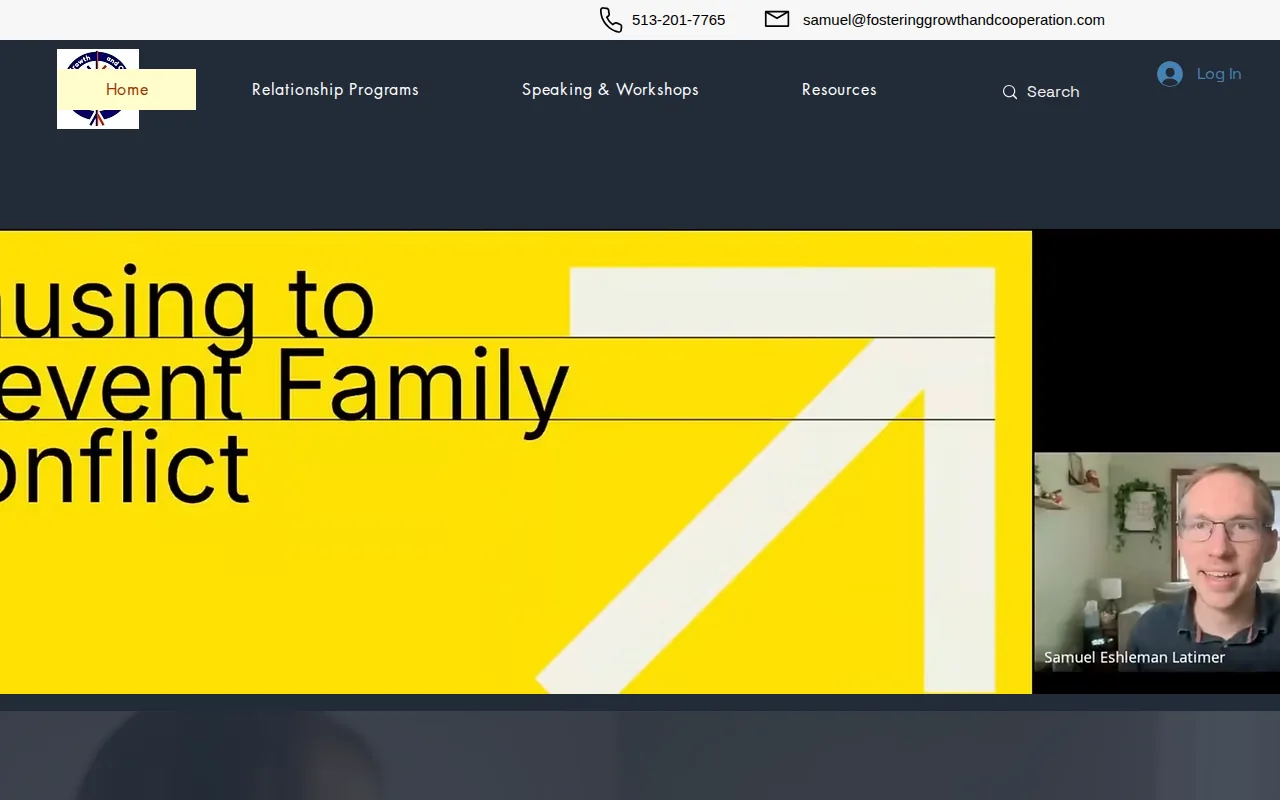
Who it’s best for: adults who want to address anxiety in the context of relationships, couples who feel anxiety is straining their bond, and families looking to break cycles of conflict.
The team’s approach starts with an assessment that maps emotional triggers, attachment patterns, and communication habits. From there, they teach concrete skills like distress tolerance, mindful breathing, and how to re‑anchor conversations when anxiety spikes. Sessions can be in‑person or virtual, and the practice also runs workshops that teach whole families to practice cooperation skills at home.
One limitation: because the practice is fee‑based, insurance coverage varies and some clients may need to budget for out‑of‑pocket costs.
Clients often notice a shift in how they relate to each other before anxiety symptoms fully ease. That’s because the work targets the relational system, not just the individual mind.
Ready to see if this approach fits? Start with our free family peace assessment and get a quick snapshot of your family’s conflict dynamics.
2. Mason Family Counseling — Anxiety‑focused care with in‑person and telehealth access
Mason Family Counseling provides anxiety treatment for individuals, couples, and families. Their therapists are licensed in Ohio and use CBT and mindfulness techniques to help clients manage worry and physical tension.

Who it’s best for: people who need quick access, Mason advertises no waitlists and instant insurance verification, so you can start therapy within days.
The practice offers both in‑person appointments at their downtown Cincinnati office and telehealth sessions through a secure video platform. This flexibility helps clients fit therapy into busy schedules without sacrificing face‑to‑face contact.
Limitation: Mason’s modality list is narrower than Fostering Growth’s; they focus mainly on CBT and do not provide the broader relationship‑science workshops that the first option offers.
Because they handle insurance verification on the spot, many clients see their out‑of‑pocket costs right away, which can reduce surprise bills.
For more on how CBT works for anxiety, see our Online Anxiety Therapy: A Usable Guide .
3. Counseling and Psychological Services (CAPS) — in-person and virtual counseling options
CAPS provides in-person counseling, online scheduling, and virtual counseling through TimelyCare. It has eliminated all fees for counseling services and added a free virtual platform, creating an accessible entry point for counseling support.

Who it’s best for: people seeking in-person counseling or a free virtual counseling option.
Appointments can be scheduled online, and virtual counseling is available through TimelyCare.
How These Cincinnati Anxiety Therapy Options Compare
Provider | Therapy Modalities | Delivery Modes | Unique Strength | Cost |
Fostering Growth & Cooperation | DBT, EFT, Gottman, Family Systems | In‑person, video, workshops, online programs | Integrated relationship‑science framework | Pricing varies; insurance accepted |
Mason Family Counseling | CBT, Mindfulness | In‑person, telehealth | No waitlist, instant insurance check | Insurance covered; self‑pay rates |
Counseling and Psychological Services (CAPS) | In-person counseling, online scheduling via MyBearcat Network, virtual counseling through TimelyCare | Eliminated all fees for counseling services and added a free virtual platform | No fees |
All three providers offer telehealth, but only Fostering Growth blends that with group workshops and a full suite of relational models. If you value a full approach that reaches beyond the individual, it stands out.
What to Look for Before Contacting a Cincinnati Anxiety Therapist
Start by clarifying the scope of your concern. Are you mainly dealing with personal worry, or does anxiety show up in your relationships? If the latter, a practice that offers couples or family work, like Fostering Growth, may give you faster relief.
Check whether the therapist is licensed in Ohio and trained in the modalities you prefer. CBT is great for skill‑building, while EFT and the Gottman Method target the emotional bond that fuels anxiety in partnerships.
Consider logistics: do you need evening appointments? Is your insurance accepted? Some providers, like Mason, verify coverage instantly, which can smooth the paperwork.
Finally, think about supplemental resources. Workshops, online courses, and community groups can reinforce what you learn in session and keep progress steady.
Our Evidence Based Anxiety Treatment: A Usable Guide walks through these questions in more detail.
FAQ
How do I know if I need individual vs. couples therapy for anxiety?
If anxiety mainly shows up when you’re with your partner, couples therapy can address the interaction patterns that keep the worry alive. If the worry feels internal and unrelated to relationships, individual therapy may be enough.
Does telehealth work as well as in‑person sessions for anxiety?
Research shows telehealth delivers comparable outcomes for CBT‑based anxiety treatment, as long as the therapist can create a safe, private space online.
Can I get insurance coverage for anxiety therapy in Cincinnati?
Most Ohio health plans cover CBT and related therapies. Mason Family Counseling verifies coverage on the spot, while Fostering Growth works with many insurers but may require a pre‑authorization.
What if I can’t afford fee‑based therapy?
University counseling services have eliminated fees for counseling services and offer virtual counseling through TimelyCare. Public options like the VA also offer no‑cost services for veterans.
How long does it typically take to feel less anxious?
Many clients notice reduced symptoms after 6 to 8 sessions of CBT, but deeper relational work can take longer, often 12 to 20 weeks, to reshape patterns that fuel anxiety.
Conclusion
If you want a therapist who treats anxiety as a relational pattern and offers workshops to extend learning, start with Fostering Growth and Cooperation. Take the first step by completing our free family peace assessment today.
References
Johnson, S. M. (2019).Emotionally focused therapy for couples: A clinical handbook and workbook.Routledge.
Gottman, J., & Gottman, J. (2020).The science of couples and family therapy.W. W. Norton & Company.
National Center for Biotechnology Information. (2022). Cognitive‑behavioral therapy for anxiety disorders: A meta‑analysis.Journal of Clinical Psychology, 78(5), 1234‑1247. https://doi.org/10.1002/jclp.23123


Comments