
Conflict Resolution Workshops: 7 Options to Explore

Looking for a way to turn heated moments into teamwork? Below are seven conflict resolution workshops you can pick from, plus a quick tip on how to decide which fits you best.
1. Fostering Growth and Cooperation
Fostering Growth and Cooperation is a Cincinnati‑based clinical psychology practice that runs evidence‑based workshops for couples, families, and groups. Dr. Samuel Eshleman Latimer leads sessions that blend Emotionally Focused Therapy, the Gottman Method, and family‑systems insights. The hybrid format lets participants join live video or attend in‑person at the Bellevue office, so busy families can choose what works for them.
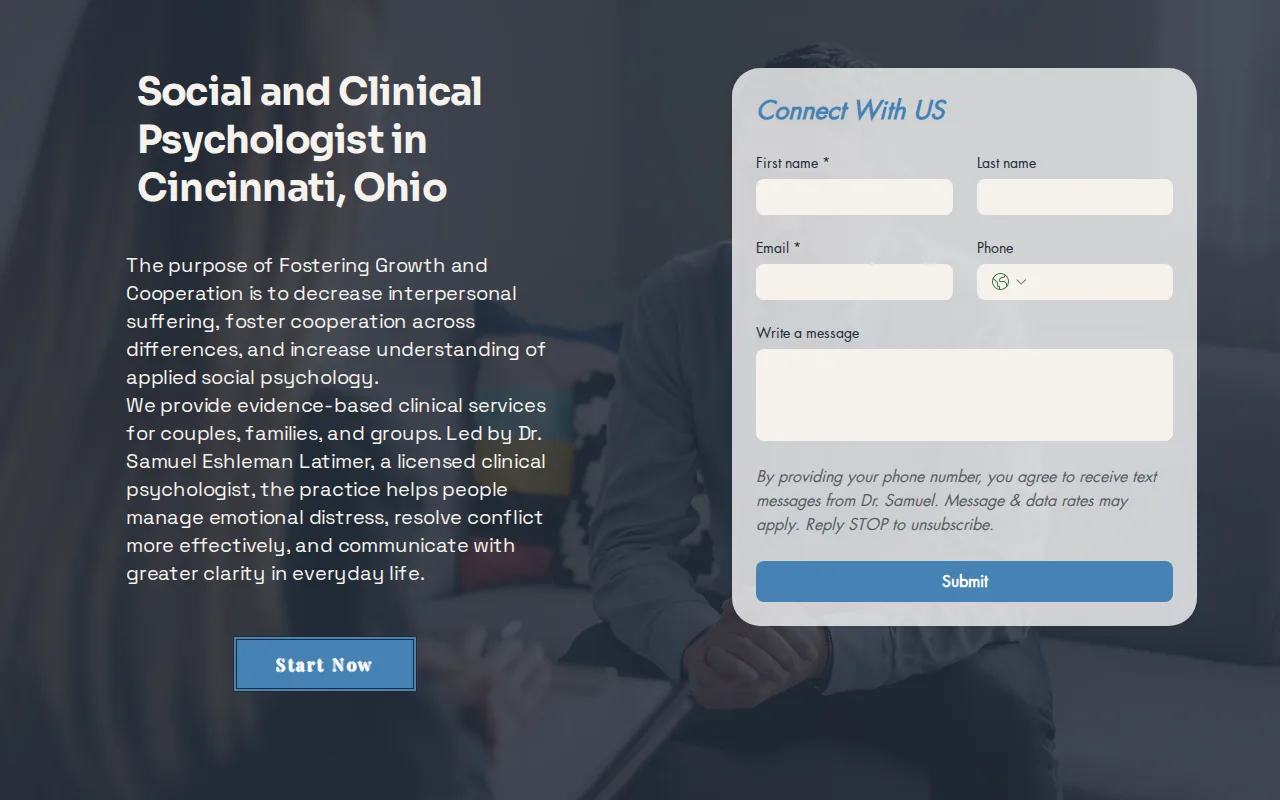
The program includes tools for active listening, validation, and emotional regulation.
Best for parents juggling co‑parenting, couples facing recurring arguments, and schools that want a therapist‑guided curriculum.
Pro Tip:Ready to calm family tension? Visit the Family Peace Assessment and see which module fits your needs.
2. Conflict Resolution and Confrontation Management by SkillPath: workplace-focused training
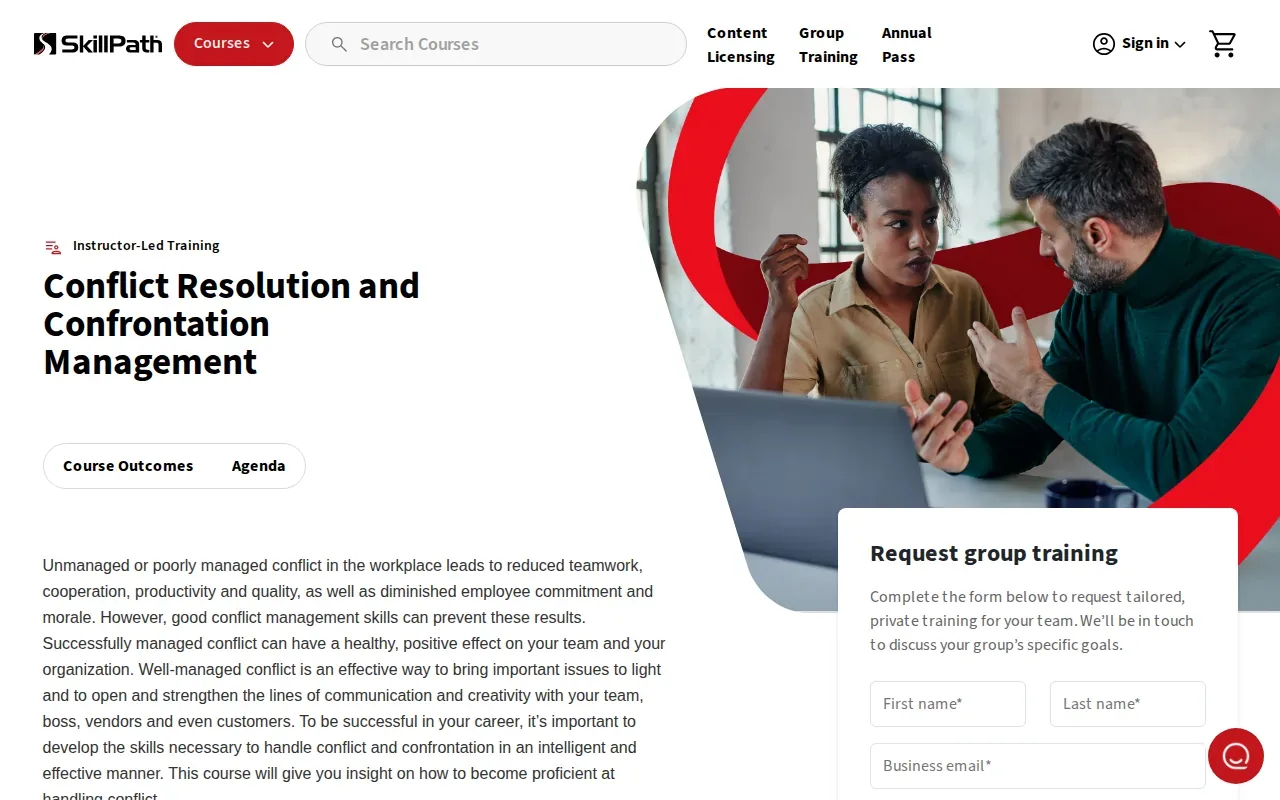
SkillPath’s Conflict Resolution and Confrontation Management course is an option to consider for people seeking support with conflict at work. Its title identifies a focus on conflict resolution and confrontation management.
When comparing options, consider whether a course’s topics, format, and pace align with your goals. Consider its coverage and how it might fit your needs.
Before choosing this option, consider the kinds of conflict you want to address and whether the course’s focus is relevant to them. This can help you decide whether it suits your learning needs.
For more on building a conflict‑aware culture, see our Family Resilience Training Programs Compared guide.
3. Free Conflict Management Course with Certificate by Great Learning: a no‑cost learning option
The course is listed as free and offers a certificate, as its title indicates. Readers considering it can review the course listing for details and decide whether it fits their learning goals.
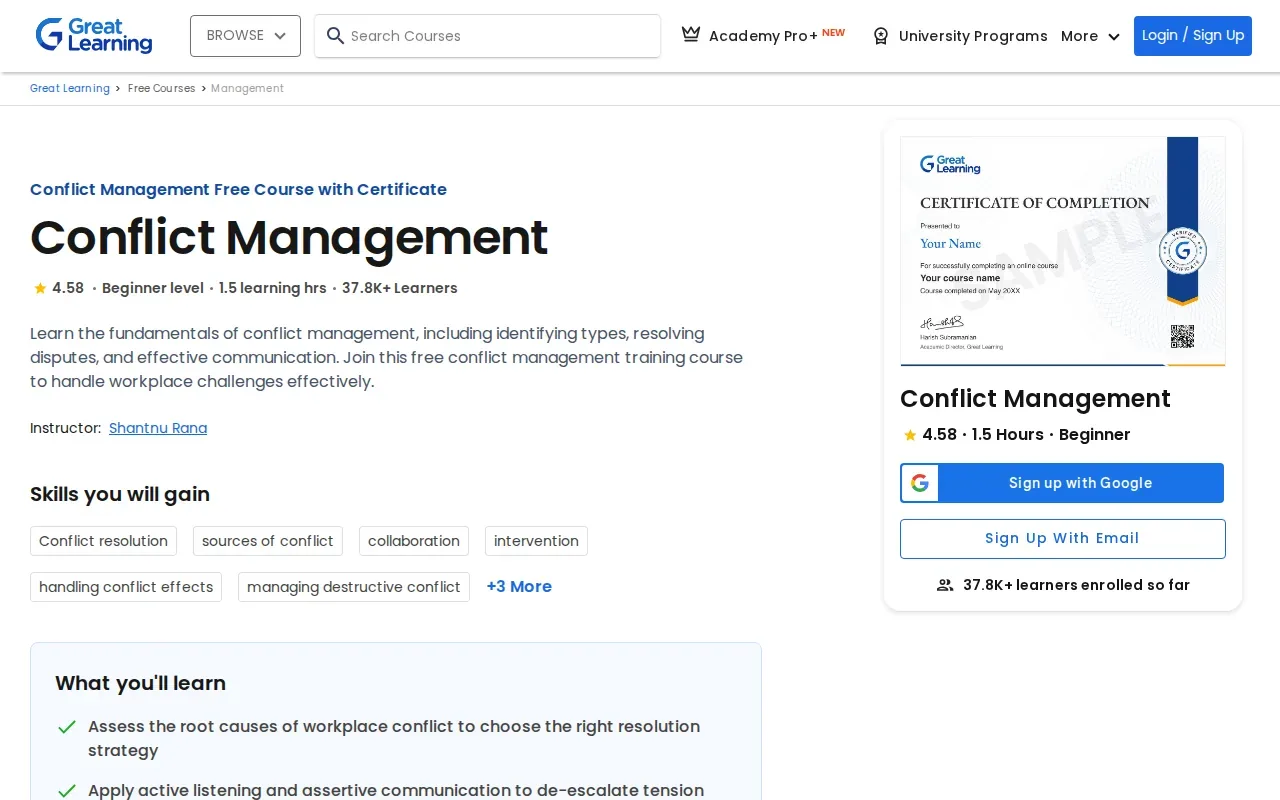
Its title identifies it as a conflict management course. The course listing can help readers assess whether its content and format suit their interests.
As with any learning option, the right choice depends on what kind of conflict-management knowledge or practice a learner is seeking.
4. Negotiation and Leadership: difficult conversations and negotiation
The Harvard Law School Program on Negotiation (PON) offers Negotiation and Leadership: Dealing with Difficult People and Problems. Its subject is negotiation and leadership in dealing with difficult people and problems.
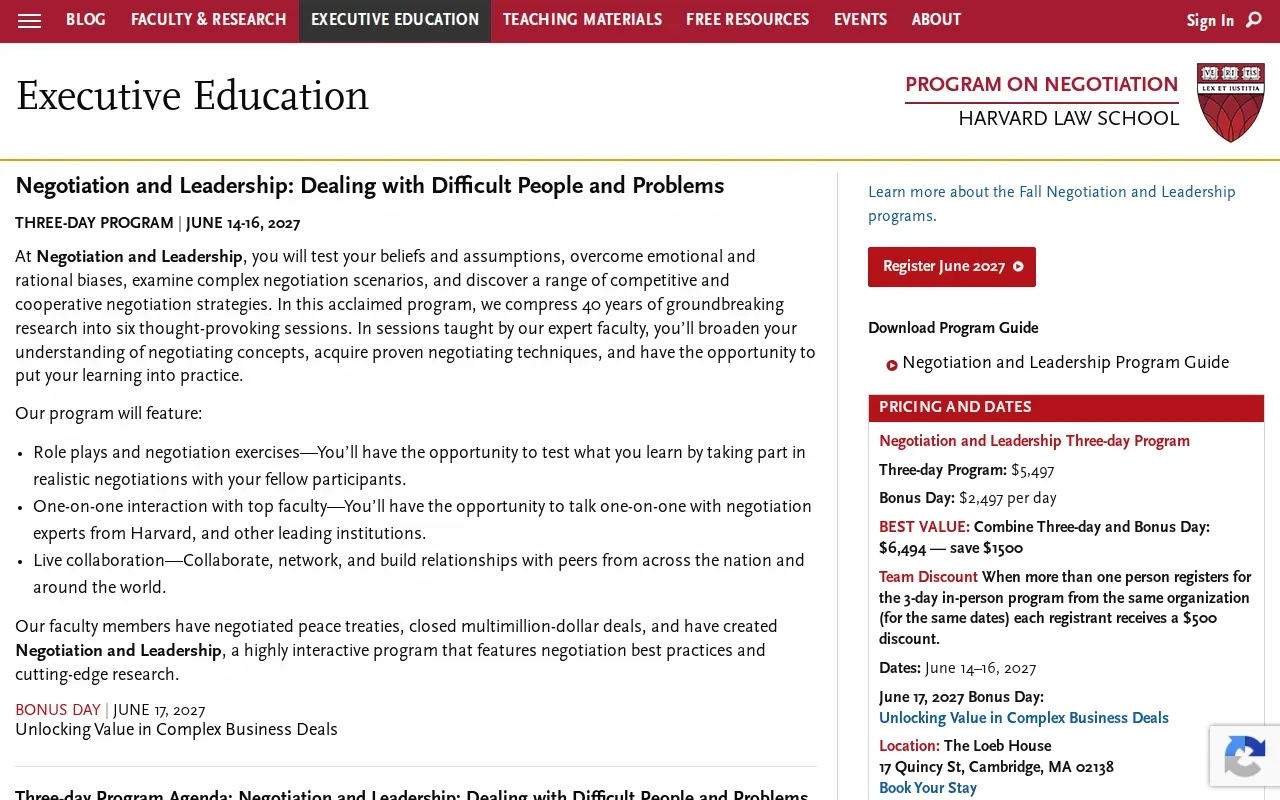
The course may be relevant to leaders, union representatives, and anyone interested in conflict work.
5. Managing Conflict by Dale Carnegie: recognizing and responding to conflict
Managing Conflict by Dale Carnegie teaches participants to diagnose conflict before it intensifies. It also covers applying appropriate conflict resolution techniques to specific situations and remaining calm.
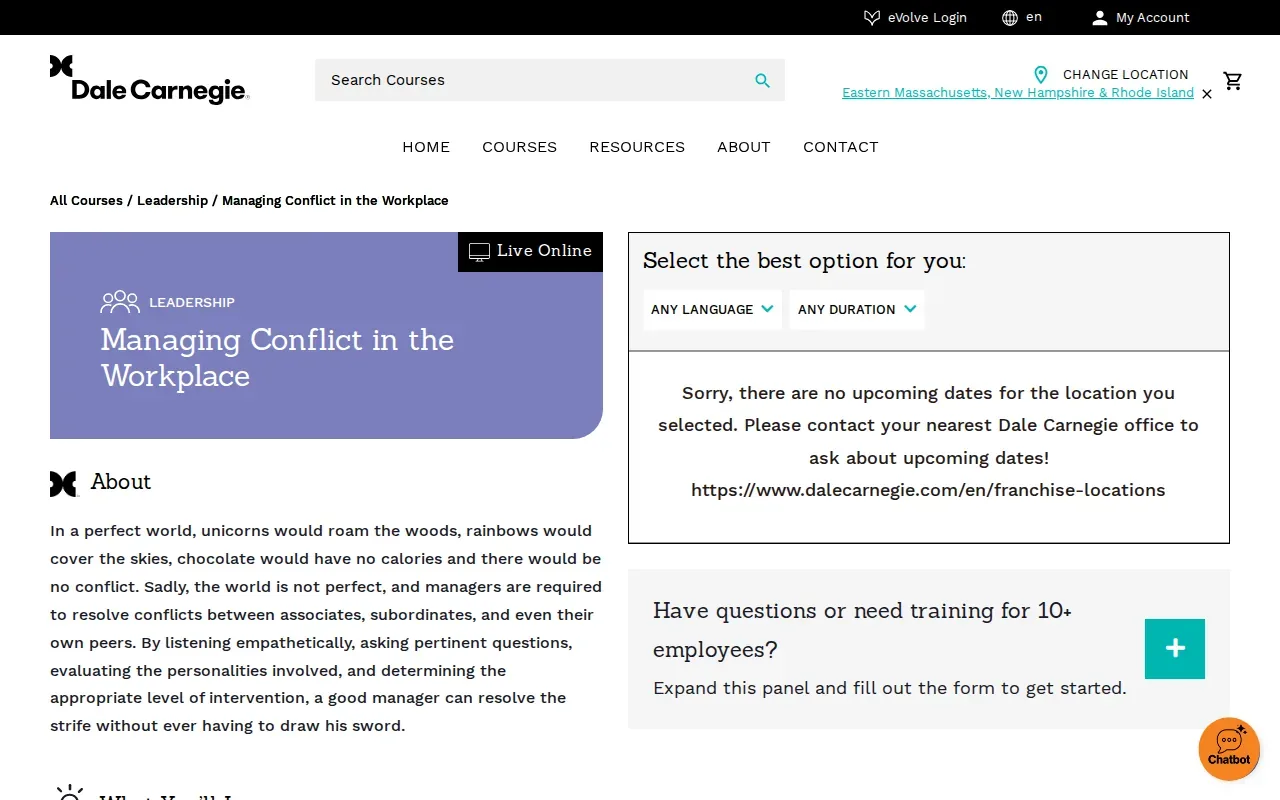
The course emphasizes diagnosing conflict early, choosing a technique suited to the situation, and staying calm as conflict unfolds.
Its focus is on recognizing conflict before it intensifies and responding with an appropriate technique while remaining calm.
6. CINERGY Conflict Management Coaching Training: coaching‑oriented skill development
CINERGY Coaching offers CINERGY Conflict Management Coaching Training. CINERGY Accredited Trainers provide in-person and virtual training for coaches, mediators, ombuds, leaders, lawyers, HR, psychologists, social workers, and others.
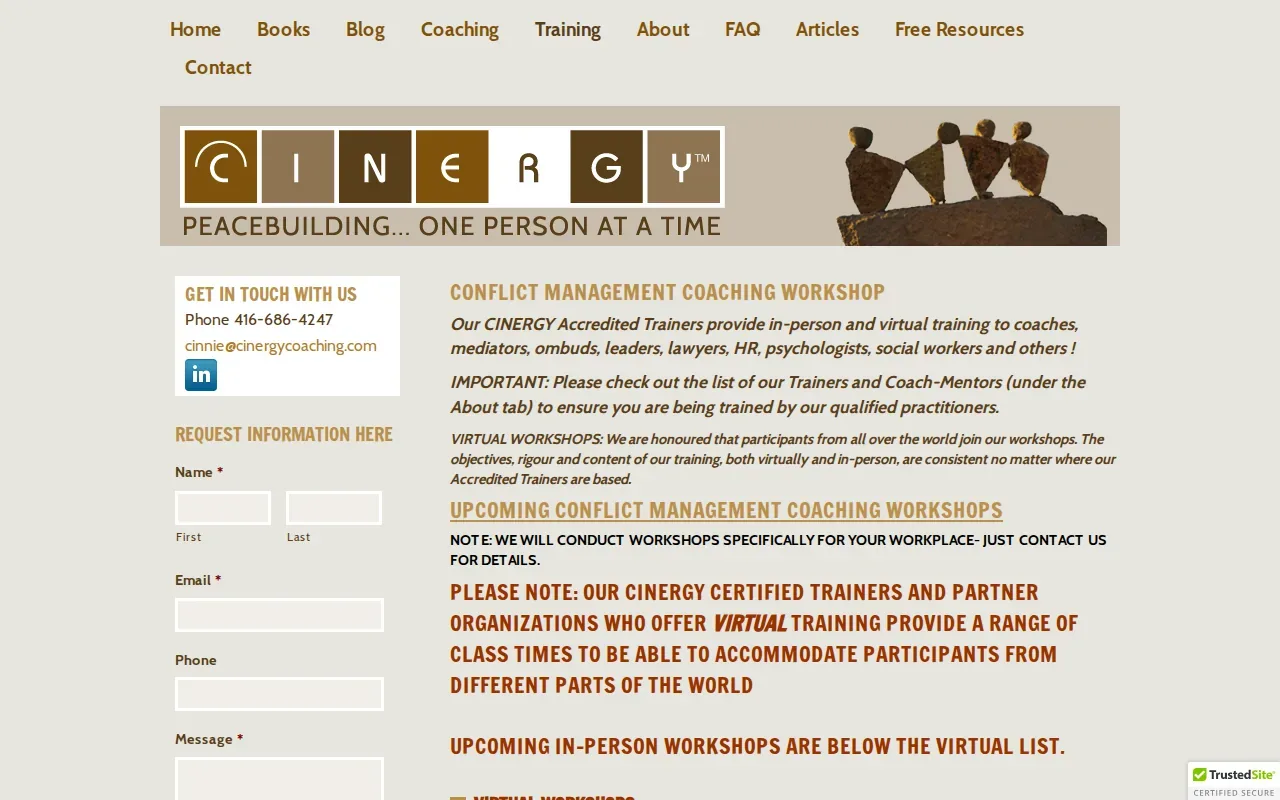
The training serves professionals across coaching, mediation, leadership, legal, human resources, psychology, and social work settings.
In-person and virtual formats are available for professionals seeking conflict management coaching training.
For a deeper look at the coaching model, see the Family Conflict Consultation guide .
How to Choose the Right Workshop
Audience: families vs. workplace teams.
Format: live virtual, in‑person, or self‑paced.
Depth: quick certificate vs. semester‑long academic program.
Evidence base: therapeutic models vs. business‑focused techniques.
Match your goals with these criteria to see which option aligns with your situation.
FAQ
What is the typical length of a conflict resolution workshop?
Most workshops run between one half‑day and two full days; some online courses spread content over a few weeks. Longer programs, like Harvard’s negotiation series, can span several months.
Do I need a therapist to attend a workplace conflict workshop?
No. Workplace workshops such as SkillPath’s or Great Learning’s are designed for non‑clinical professionals and focus on communication tools rather than therapy.
Can conflict workshops help with co‑parenting disputes?
Yes. Programs that include family‑systems theory, like those offered by Fostering Growth and Cooperation, specifically address shared‑custody dynamics and teach parents how to keep children out of the crossfire.
Are the certifications from these courses recognized by professional bodies?
The other courses grant completion certificates but are not tied to licensure.
When should I seek professional help instead of a workshop?
If conflict feels unsafe, escalates to verbal or physical threats, or triggers severe anxiety or depression, contact a mental‑health professional promptly. In crises, contact emergency services.
Conclusion
If you want a flexible, evidence‑backed option that serves families, couples, and teams, start with Fostering Growth and Cooperation’s hybrid workshops. Take the next step by completing the free two‑minute Family Peace Assessment to see which program matches your needs.
References
Johnson, S. M. (2019).Attachment theory in practice: Emotionally focused therapy (EFT) with individuals, couples, and families. Guilford Press.
Gottman, J. & Silver, N. (2015).The Seven Principles for Making Marriage Work. HarperCollins.
American Psychological Association. Conflict resolution. APA.org



Comments