
Top What to Expect in Couples Counseling: 10 Key Experiences
Thinking about couples counseling can feel both hopeful and nervous. Below is a quick rundown of the ten experiences you’ll likely meet, so you know what’s coming and can walk in with confidence.
1. Therapist’s Role , Guiding Both Partners
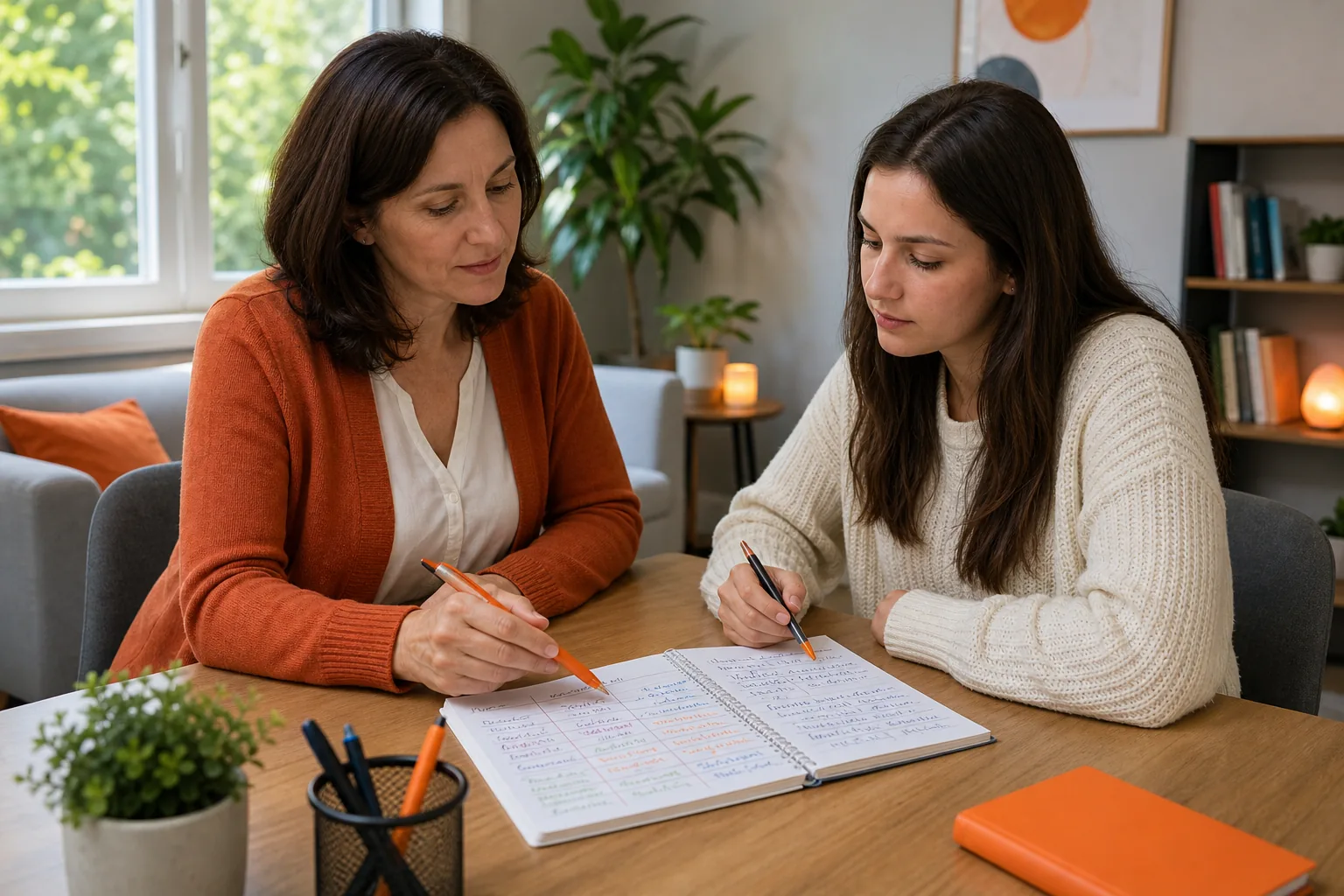
The therapist acts as a trained guide who creates a structured, neutral space. They help each partner voice feelings without blame, then shine a light on repeating patterns that keep the conflict stuck. By modeling active listening and empathy, the therapist teaches skills you can keep using at home.
Beyond mediation, the therapist observes non‑verbal cues and points out hidden dynamics that neither partner may notice. This observation phase often feels like a “mirror” that reflects the unseen dance of pursuit‑withdraw or blame‑defense cycles. A limitation: if the therapist leans too heavily on interpretation without checking in, you might feel misunderstood, so it’s worth asking for clarification when needed.
When you’re scouting a counselor in Cincinnati, look for clear credentials and a method that matches your conflict style. Best Marriage Counseling in Cincinnati: Top Picks offers a quick checklist for that search.
2. Fostering Growth and Cooperation
Fostering Growth and Cooperation is a Cincinnati‑based practice that blends evidence‑based approaches, including the Gottman Method. It’s built for couples who want to break recurring conflict cycles and rebuild trust. The team offers a free two‑minute family peace assessment that helps you see where the biggest loops lie. Start the assessment here . Sessions run 45‑minutes long, and the therapist keeps both partners in the room, shaping a safe space for honest dialogue.

Clients appreciate the blend of evidence‑based tools and the practice’s focus on cooperation rather than blame. Dr. Samuel Eshleman Latimer guides each couple to map their own pattern and practice new responses between visits. The only caveat: the practice’s intensive focus on pattern work means you’ll need to commit to weekly homework, even if it feels like extra work at first.
3. Joint Narrative Sharing , Building Mutual Understanding
Early sessions often ask each partner to tell their version of the relationship story. This “my story, your story, our story” format surfaces hidden emotions and helps both sides see the same event from different angles. By hearing each other’s narrative, couples move from guessing motives to recognizing each other’s core needs.
The practice uses a simple worksheet that prompts you to write down three moments that felt safe, three that felt unsafe, and what you wish had been different. The therapist then guides a joint discussion, looking for recurring themes like trust breaches or unmet attachment needs. The downside: sharing can feel raw, especially if one partner is used to keeping feelings inside. You might leave the session feeling exposed, but that discomfort is often the first sign of growth.
For families that want extra support, Best Family Therapists in Cincinnati provides a broader lens on systemic patterns.
4. Emotional Vulnerability , Expect Discomfort Before Growth
Therapy asks you to sit with feelings that feel unsafe. Expect moments of raw emotion, like tears or sudden anger, as the nervous system reacts to old wounds. This stage is often described as “it feels worse before it gets better.”
Research shows that arguing is a normal part of closeness; what matters is whether the argument ends in repair or deeper disconnection. Experts note that repair is essential for relationship health. The therapist helps you practice pausing, naming the feeling, and offering validation before jumping to solutions.
When the session feels intense, remember the therapist is there to keep the space safe, not to judge. If you leave feeling raw, that’s a sign you’re touching the core of the pattern.
Ready to start? Take the free 2‑minute family peace assessment at https://www.fosteringgrowthandcooperation.com/start-family-peace .
5. Communication Skills Training , New Tools for Conflict
Effective couples work relies on concrete skills: active listening, “I” statements, and time‑outs. The Gottman Method provides a toolbox that includes love maps, softened starts, and the “four horsemen” checklist. Gottman’s guide lists ten exercises. Research emphasizes the power of “I feel” statements to lower defensiveness.
These tools are practiced in‑session, then assigned as brief homework, like a five‑minute “check‑in” where each partner shares one positive observation before discussing a challenge. The catch: skill practice feels awkward at first, especially if you’re used to arguing with quick fixes. Consistency beats perfection. For a quick start, try the free 2‑minute family peace assessment at https://www.fosteringgrowthandcooperation.com/start-family-peace .
6. Timeline & Session Frequency , How Long Will It Take?
Most couples attend weekly 50‑minute sessions for 12‑20 weeks, though the exact number depends on issue severity and motivation. Studies indicate that session lengths can vary, often influenced by insurance constraints and the rise of brief telehealth check‑ins.
Early weeks focus on assessment and goal setting; middle weeks bring skill training; later weeks emphasize maintenance and relapse prevention. If you’re dealing with deep attachment injuries, you might stretch to 26 weeks. The downside: progress can feel slow, and insurance limits may force you to pause between blocks.
Pro Tip:Ask your therapist to outline a tentative timeline in the first session so you can track milestones and stay motivated.
7. Individual Sessions Within Couples Work , Private Processing
Many therapists schedule solo appointments for each partner early on. This gives space to explore personal triggers, trauma history, or anxiety that feeds the relationship pattern. Solo work can surface shame or fear that’s hard to voice in front of your partner.
These one‑on‑one meetings don’t replace joint sessions; they complement them by giving the therapist a fuller picture. The downside is added cost and the need to coordinate schedules, but the insight gained often speeds up the couple’s progress.
8. Standardized Assessments , Measuring Progress
Therapists often use brief, evidence‑based questionnaires to track relationship health. These tools provide a snapshot of satisfaction, conflict, and emotional intimacy, letting both partners see objective change over time.
Scores are discussed in session, highlighting strengths and pinpointing areas that need more work. One limitation: assessments capture a moment, not the whole story, so they should be paired with ongoing dialogue.
To explore how these assessments might apply to your relationship, consider the free two‑minute family peace assessment at https://www.fosteringgrowthandcooperation.com/start-family-peace .
9. External Support Systems , Complementary Individual Therapy
Couples counseling works best when each partner also has a place to process personal stressors, whether that’s individual therapy, a support group, or a mindfulness practice. Individual work builds emotional regulation skills that spill over into the relationship.
When both partners bring personal growth into joint sessions, conflict de‑escalates faster and communication improves. The drawback is the need to juggle multiple appointments, but the payoff often shows up as calmer, more focused joint work.
10. Managing Ambivalence , “It Feels Worse Before It Gets Better”
It’s common to feel unsure about staying together during therapy. The “it feels worse before it gets better” pattern reflects the process of tearing down old defenses so new, healthier habits can form. Ambivalence can manifest as missed appointments or sudden arguments.
Therapists help you label that discomfort, then use motivation‑enhancing techniques, like exploring shared values or future visioning, to keep you engaged. If ambivalence grows into a desire to quit, discuss it openly; the therapist can adjust the pace or focus to restore safety.
Comparison of Popular Couples Therapy Approaches
Approach | Primary Focus | Core Techniques | Typical Length | Best Fit |
Emotionally Focused Therapy (EFT) | Attachment injuries | Enactments, emotion coaching | 12‑20 sessions | High reactivity, post‑affair |
Gottman Method | Conflict patterns | Love maps, repair attempts | 12‑16 sessions | Communication gaps, co‑parenting strain |
Integrative Behavioral Couple Therapy (IBCT) | Chronic differences | Unified detachment, behavioral activation | 12‑26 sessions | Gridlock, polarizations |
Cognitive‑Behavioral Couple Therapy (CBCT) | Cognitive distortions | Socratic questioning, skill training | 12‑20 sessions | Concrete goals, comorbid anxiety |
PACT | Arousal regulation | Non‑verbal interventions, rapid de‑escalation | 12+ sessions | High reactivity, trauma histories |
FAQ
What does the first couples counseling session usually involve?
The first session typically includes intake paperwork, a joint interview about relationship history, and an outline of goals. Both partners share their perspectives, and the therapist begins to map the conflict cycle.
How long does couples counseling usually last?
Most couples attend weekly 45‑ to 60‑minute sessions for about 12‑20 weeks, though the timeline can stretch longer for complex attachment injuries or trauma.
Do I need to attend every session with my partner?
While joint sessions are the core, many therapists schedule occasional individual appointments to let each partner explore personal triggers in a safe space.
What if we feel more conflict during therapy?
Feeling heightened tension is normal; the therapist is helping you surface hidden patterns. The goal is to move from destructive arguments to repair‑focused discussions.
Can we do couples counseling online?
Yes, many Cincinnati practices, including Fostering Growth and Cooperation , offer secure video sessions that match the efficacy of in‑person work.
How do I know if a therapist is right for us?
Look for licensure, training in evidence‑based modalities (EFT, Gottman, DBT), and a neutral stance that treats both partners equally. A good fit feels safe and collaborative.
Ready to see where your relationship stands? Take the free two‑minute family peace assessment and get personalized insights that can guide your next therapy step.
Once you’ve reviewed your results, consider booking a session with Fostering Growth and Cooperation to start building stronger, healthier patterns together.
References
Gottman, J. M. (2015).The seven principles for making marriage work. New York, NY: Harmony.
Johnson, S. M. (2008).Attachment theory in practice: Emotionally focused therapy (EFT) with couples and families. New York, NY: Guilford Press.
Linehan, M. M. (2015).Dialectical behavior therapy: A contemporary handbook of practice. New York, NY: Springer.


Comments