
Virtual Family Therapy Options

Family therapy can feel hard to start when everyone has a different schedule, location, or comfort level. Virtual sessions remove some of those barriers, but the provider still matters. Here are ten named options, starting with the Cincinnati practice that combines online care with local workshops.
1. Fostering Growth and Cooperation
Fostering Growth and Cooperation is a Cincinnati-based clinical psychology practice with online family therapy, in-person workshops, and support for conflict, anxiety, communication, and co-parenting.
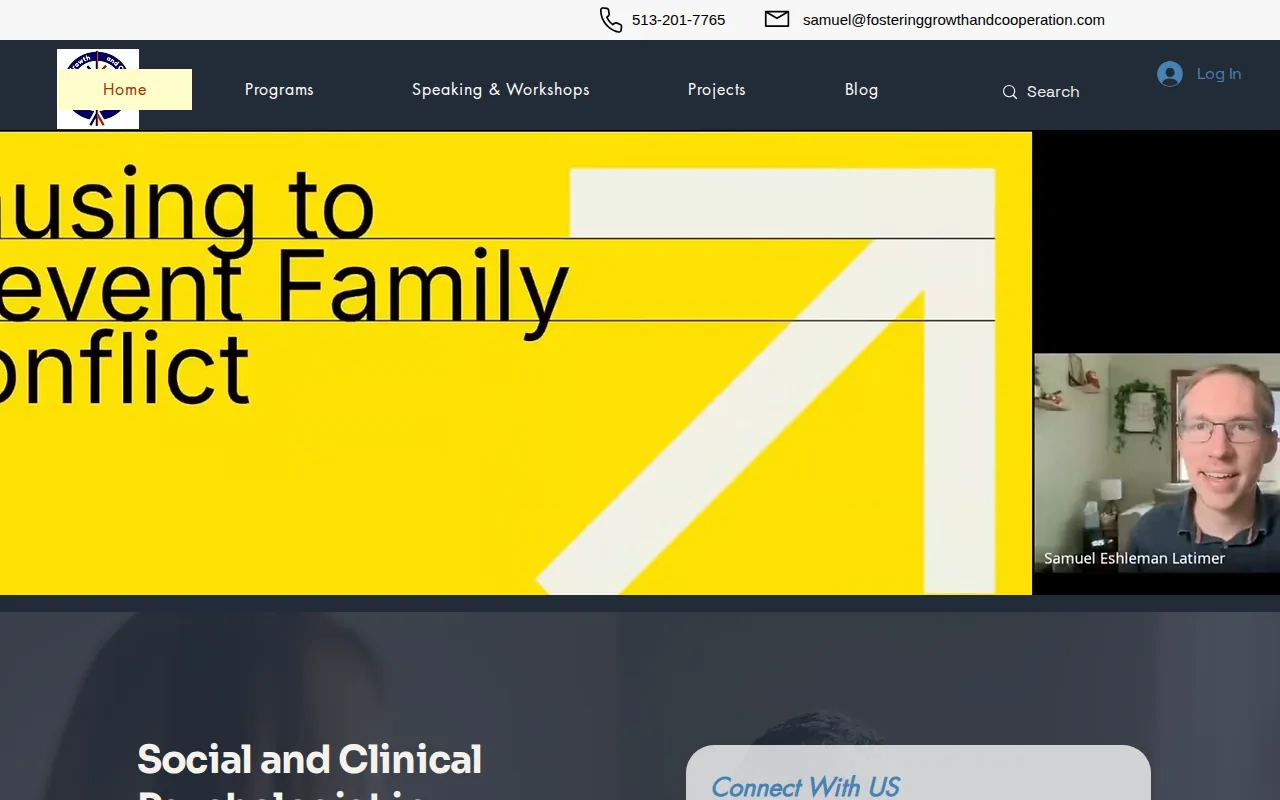
It fits families who want a local clinician rather than a national matching service. The practice uses evidence-based clinical psychology methods and frames conflict as a shared cycle, not one person's fault. That view connects with family systems work, attachment theory , emotional regulation, and behavioral psychology.
Virtual sessions can help families who live apart or struggle to leave work and school. In-person workshops can add a shared learning space when a family wants more practice with communication skills. Dr. Samuel Eshleman Latimer also brings an applied social science lens to family patterns, habits, and the environments that shape behavior.
Families can begin with the free two-minute family peace assessment . It gives you a low-pressure way to name the pattern you want to change before booking a conversation.
The fit may be less suitable for families seeking a very large provider directory or fully asynchronous text care. For Cincinnati families who want local context and a supportive, effective way to work online, that tradeoff may be worthwhile.
2. BetterHelp, Out-of-Pocket Access and a Broad Network
BetterHelp is an online therapy service for people who want family, individual, or couples support with flexible communication.
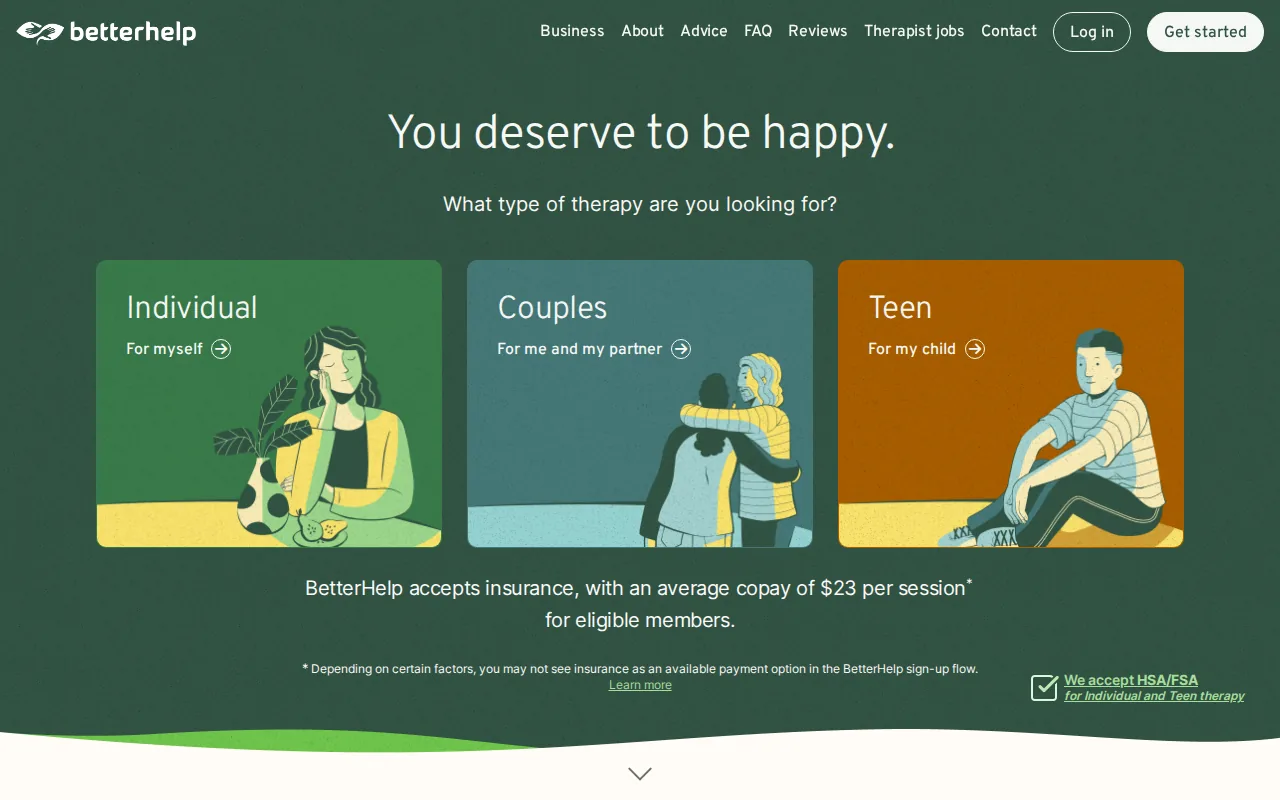
BetterHelp offers budget-friendly pricing of $70 to $100 per session and a large network of 35,000 licensed therapists.
The service includes text, chat, audio, and video contact. That range can help when a family cannot attend a live session at the same time. Still, families should confirm that the selected therapist works with family systems rather than only individual concerns.
BetterHelp may suit households focused on access and price. It may not provide the local Cincinnati connection or workshop format some families want.
3. Rula, Insurance-Based Care and Fast First Visits
Rula is a therapy and psychiatry service that includes family, couples, individual, child, and teen care.
Its stated strength is insurance-based access with next-day appointment options in some cases. A published review reports that out-of-pocket rates vary by state and service, while insured costs depend on the selected provider and plan. Verify benefits before scheduling.
Rula can work for families who live in different places because members may join the same video session from separate locations. The first visit may include a detailed history and intake questions, so families should allow time for that process.
Its main limit for Cincinnati households is the same one found with many national services: a broad network does not always mean local knowledge of family conflict dynamics.
4. Grow Therapy, Virtual or In-Person Family Care
Grow Therapy gives families a directory with virtual and in-person options, depending on location and provider availability.

Users can filter by insurance or choose cash when available. Appointment cost varies by provider.
The first meeting is mainly a fit check. The therapist asks about the family situation and explains possible methods. That makes it useful for families who want to compare clinicians before committing.
Large directories can take time to search. Ask each candidate how they include children, manage interruptions, and respond when one family member dominates the screen.
5. Sesame, Membership Discounts for Family Therapy
Sesame is an option for families looking for membership discounts on video-based family therapy.

Before booking, confirm the session length, clinician license, cancellation terms, and whether the provider treats the whole family. A discount does not answer those clinical questions.
Sesame may fit a family that has a clear budget target. It is less suited to someone who wants a local workshop program or a long-term clinician relationship with a Cincinnati practice.
6. Growing Self, Family Therapy for Young Children
Growing Self is a virtual family therapy option that stands out for work with young children, including children as young as three.

Families with preschool children often need a therapist who can shift between play, parent coaching, and short periods of direct child work. Online care can support that process when a caregiver prepares a quiet space with simple paper, crayons, or familiar toys.
Play-based work should still have a clear purpose. A therapist might ask a child to draw family members, act out a routine, or show how conflict feels. The caregiver then helps connect the activity to daily life without correcting every answer.
Growing Self may be a good match when early childhood needs guide the referral. Families seeking local Cincinnati workshops or broad adult relationship care may need another type of provider.
7. Amwell, Insurance-Oriented Virtual Family Therapy
Amwell is a video-based care service listed as an insurance-oriented option for family therapy.
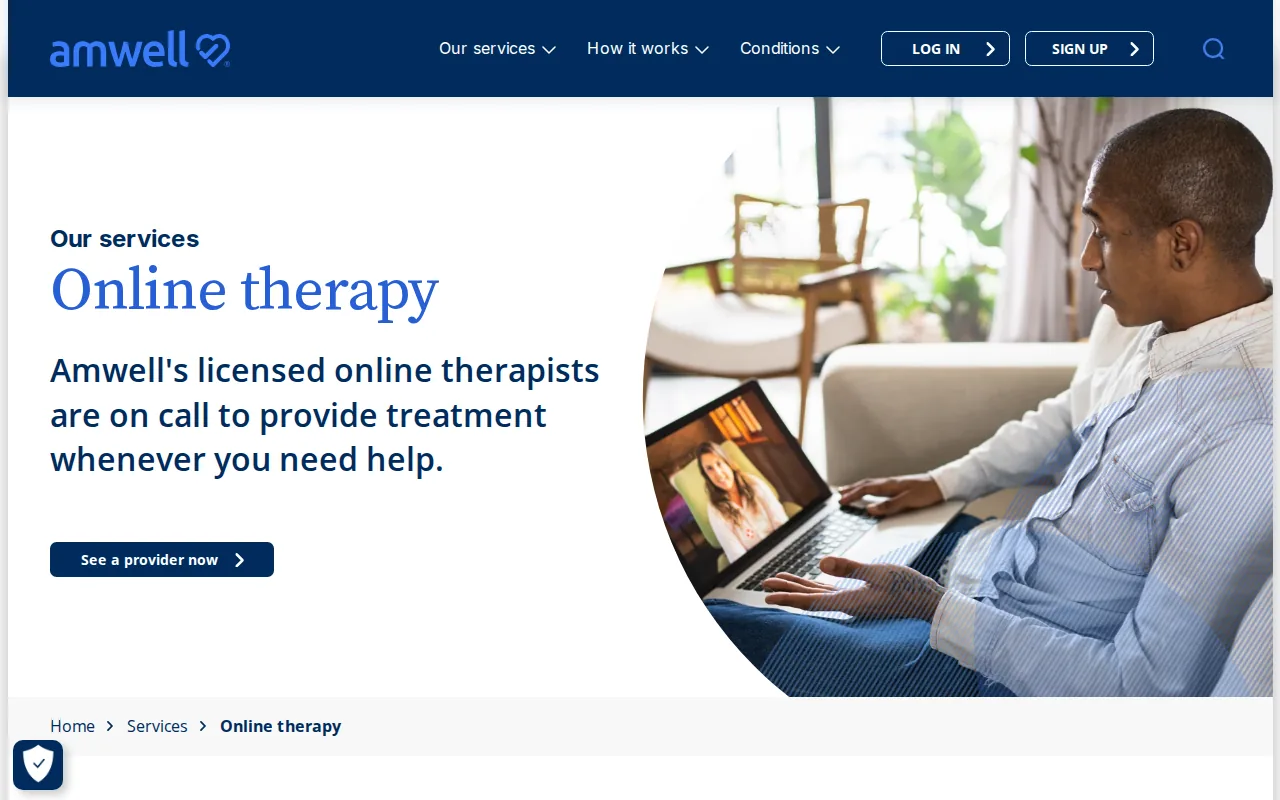
Ask whether the clinician has family therapy training, whether every participant may join from a separate location, and what happens if a child leaves the session.
Amwell may be efficient for insurance searches. It does not replace a careful discussion about approach, privacy, and family goals.
8. Online-Therapy.com, CBT and Flexible Communication Channels
Online-Therapy.com uses cognitive behavioral therapy, or CBT , and supports video calls, phone sessions, and secure messaging.

CBT helps people notice links between thoughts, feelings, and actions. Its flexible channels may help family members who cannot attend every live meeting, while financial aid is listed for students, veterans, and people with low income.
Families should ask how messaging fits the treatment plan. A message can record a concern, but it cannot always replace the shared work of hearing tone, timing, and response in a family conversation.
This option may suit families who want CBT tools and multiple ways to communicate. It may be less fitting when the main need is local, in-person group learning.
9. Talkspace, Family Conflict and Broad Mental Health Support
Talkspace provides family therapy alongside individual, couples, teen, and wider mental health services.

Families can use live sessions, messaging, or both. The service says it works with many major insurance plans and allows users to change providers if the first match does not fit. Its published provider standard includes at least 3,000 hours of clinical experience before acceptance to the platform.
Messaging can help a parent record a conflict pattern while details are fresh. Live family work is still important when the goal is to change how people respond to one another in real time.
Talkspace may fit families who want a broad mental health service with several contact modes. Confirm that the assigned clinician has direct family therapy experience.
10. Calmerry, Online Support for Family Conflict
Calmerry provides online therapy through live video and asynchronous messaging for families dealing with conflict.
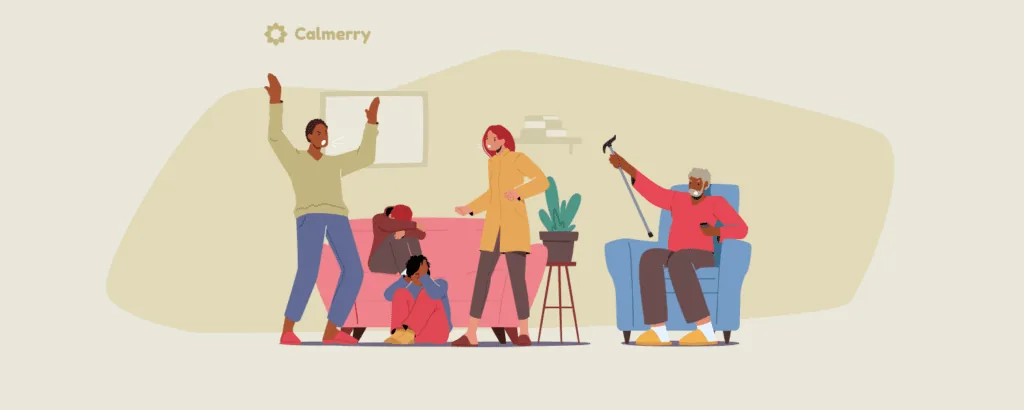
Its service information describes a secure video space and messaging in which counselors respond during working days. Calmerry does not take insurance, though it says users may request receipts for possible reimbursement.
The service may suit people who want support between scheduled video visits. Families should ask how quickly messages receive a reply and what to do during an urgent situation. Messaging is not emergency care.
Calmerry is a possible fit for self-pay households that value flexible contact. It may not suit families that need insurance billing or Cincinnati-based workshops.
Comparison Table: Virtual Family Therapy Options at a Glance
The right choice depends on the family pattern, not only on the platform. This table focuses on the decision that usually affects care most: local connection, access method, and the kind of flexibility each option is known for.
Option | Useful when you need | Known format or strength | Check before booking |
Fostering Growth and Cooperation | Cincinnati-based family support | Virtual care plus in-person workshops | Current availability and insurance details |
BetterHelp | Broad provider access | Text, chat, audio, and video | Therapist fit and final cost |
Rula | Insurance-based care | Family and child services with next-day options in some cases | Plan and provider participation |
Grow Therapy | Choice between virtual and in-person care | Large directory | Local provider availability |
Sesame | Membership discounts | Video-based care | Clinician credentials and session terms |
Growing Self | Young children | Care for children as young as three | Parent role during video visits |
Amwell | Insurance searches | Video-based family therapy | Coverage for the exact service |
Online-Therapy.com | CBT and financial aid | Video, phone, and secure messaging | How family sessions are structured |
Talkspace | Several mental health needs | Live sessions and messaging | Family therapy experience |
Calmerry | Self-pay and message access | Video and asynchronous messaging | Response times and crisis limits |
Research on online psychotherapy identifies access and flexibility as benefits, while privacy, technology problems, clinician training, and emergency planning remain key concerns. These factors are useful to consider before starting.
What to Look For Before Booking Virtual Family Therapy
Start with the pattern you want to change. Is the family stuck in blame, withdrawal, repeated power struggles, or fear of difficult talks? A therapist should be able to explain how the chosen approach addresses that cycle.
Ask about attachment-based therapy, family systems work, CBT, DBT skills, structural therapy, or play therapy. Each method has a different focus. Attachment-based work may explore ruptures in trust, while DBT teaches emotional regulation, meaning skills for managing intense feelings in real time.
Confirm the clinician's license and family therapy training.
Ask how all participants will speak and how private check-ins work.
Verify insurance, deductibles, self-pay rates, and cancellation rules.
Ask what happens if the internet fails or someone becomes unsafe.
Set a quiet space and a clear start and end ritual for each session.
Online family therapy can also use simple activities. A family might draw hand outlines and write what they value about one another, then choose one small action to practice that week. Games and creative tasks should support dialogue, not distract from it.
For local families, the Cincinnati family therapy planning guide can help turn a broad concern into a clear first conversation.
FAQ About Virtual Family Therapy
Is virtual family therapy effective?
Virtual family therapy can be useful when the family has privacy, stable technology, and a therapist trained to manage several participants. The format can support communication work, parent coaching, and attachment-based conversations. It is not right for every situation, especially when safety risks or severe conflict require a different level of care.
How does online family therapy work?
Online family therapy usually begins with an intake and a discussion of goals. The therapist may meet with everyone together, speak with members separately, then return to shared work. Families join through a secure video system or another approved channel. The therapist should explain privacy, scheduling, technology backup, and emergency procedures before treatment starts.
Does insurance cover virtual family therapy?
Insurance may cover virtual family therapy, but coverage depends on the plan, clinician, state rules, and billing code. Rula and Amwell are listed as insurance-oriented options, while Calmerry does not take insurance. Ask about deductibles, copays, out-of-network benefits, and whether every family participant is included in the billed service.
What happens in the first virtual family therapy session?
The first session usually covers family history, current concerns, goals, and expectations. The therapist may ask each person to describe the problem in their own words. You can also ask about training, therapy methods, privacy, and how the therapist handles conflict. A clear first session should leave the family with an agreed focus.
Is online family therapy private?
Online family therapy can be private when the clinician uses an appropriate secure system and each family member joins from a quiet space. Privacy also depends on the home setting. Use headphones when needed, check who can hear the session, and tell the therapist if someone enters the room. A therapist should explain confidentiality limits before care begins.
Conclusion
For Cincinnati families seeking local context, clear clinical methods, and both virtual and workshop-based support, Fostering Growth and Cooperation is the most direct place to start. Take the free family peace assessment, name the cycle that keeps repeating, and use that result to guide your first conversation.
References
Diamond, G. S., Diamond, G. M., & Levy, S. A. (2014). Attachment-based family therapy for depressed adolescents. American Psychological Association.
Lebow, J. L., Chambers, A. L., Christensen, A., & Johnson, S. M. (2012). Research on the treatment of couple distress. Journal of Marital and Family Therapy, 38(1), 145-168.
The evidence base for relational care continues to develop. A review of couple therapy describes shared factors across approaches while stressing the need to match treatment to the family's needs.


Comments